Centerville UT Plumbing Services | Pipe & Faucet Repair
Expert pipe repair, faucet installation, and emergency plumbing services for Centerville homeowners. Serving Davis County with reliable solutions.
Plumbing Services in Centerville, Utah
Centerville's cold mountain winters and hard water conditions create unique challenges for residential plumbing systems. Many homes in this Davis County community, particularly those built before the 1990s, face increased risks of frozen pipes during sub-freezing temperatures and mineral buildup from Utah's naturally hard water supply.
Local homeowners frequently encounter pipe corrosion, slow leaks, and fixture failures that stem from these environmental factors. The combination of dramatic temperature swings between seasons and high mineral content in the municipal water supply accelerates wear on copper and galvanized steel pipes commonly found in Centerville neighborhoods.
Professional Plumbing Services
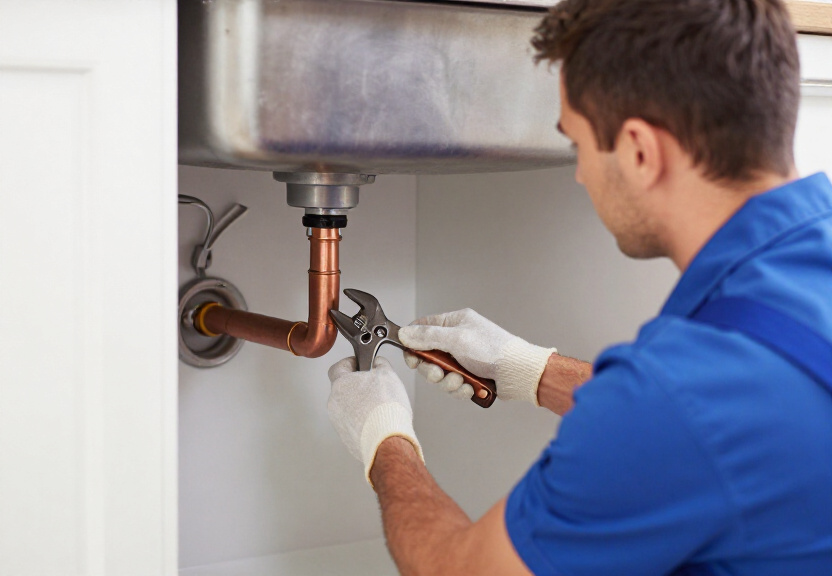
Pipe Repair
Professional pipe repair services addressing leaks, corrosion, and frozen pipe damage using advanced diagnostic tools and durable replacement materials.
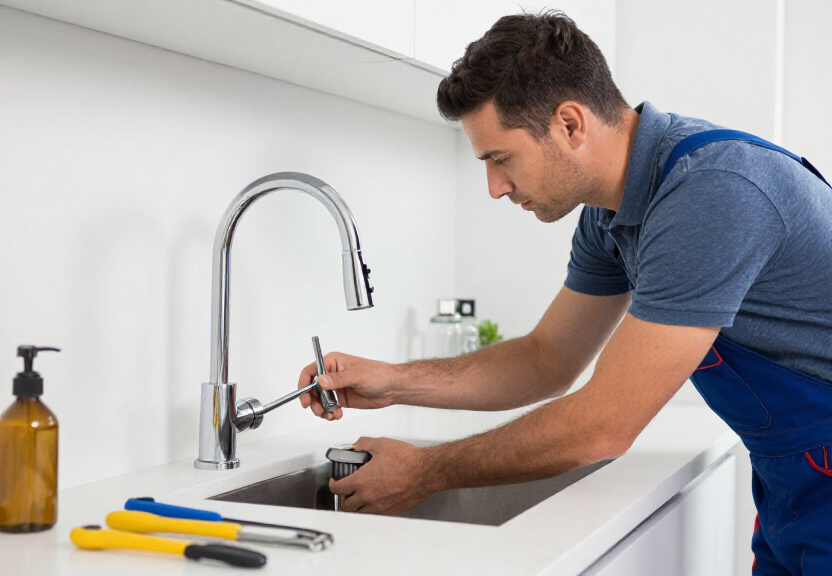
Faucet Installation
Expert faucet installation for kitchens and bathrooms, including modern fixtures designed to withstand Centerville's hard water conditions.
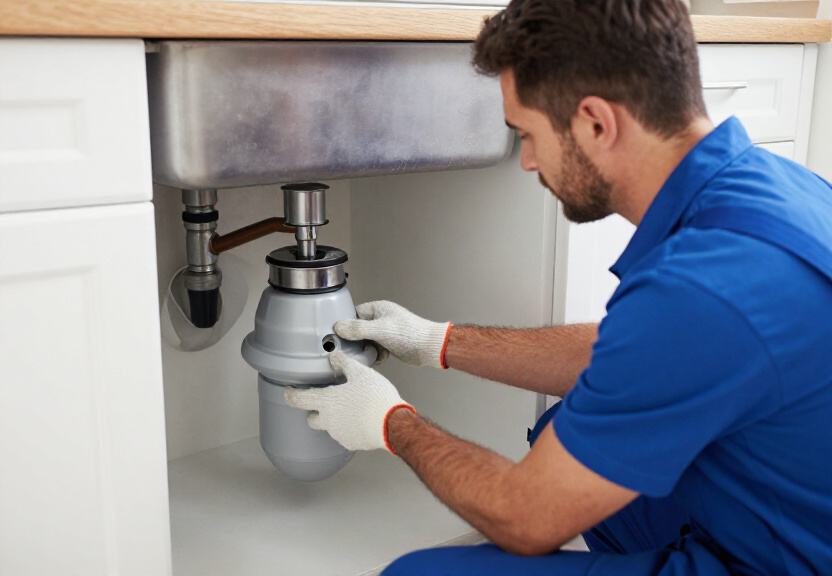
Garbage Disposal
Garbage disposal installation and repair services to keep your kitchen running smoothly, with units selected for Utah's plumbing requirements.
Complete Plumbing Services
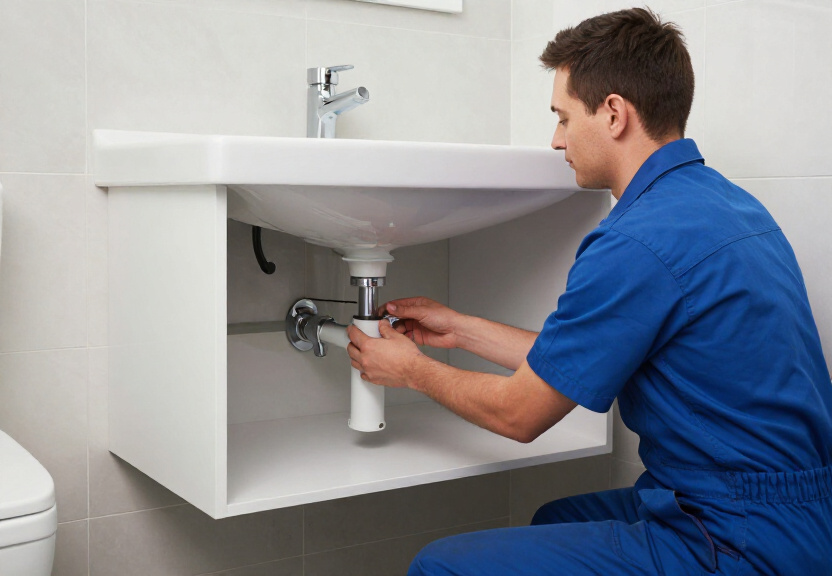
Bathroom Plumbing
Complete bathroom plumbing services including toilet repair, shower valve replacement, and fixture upgrades for Centerville homes.
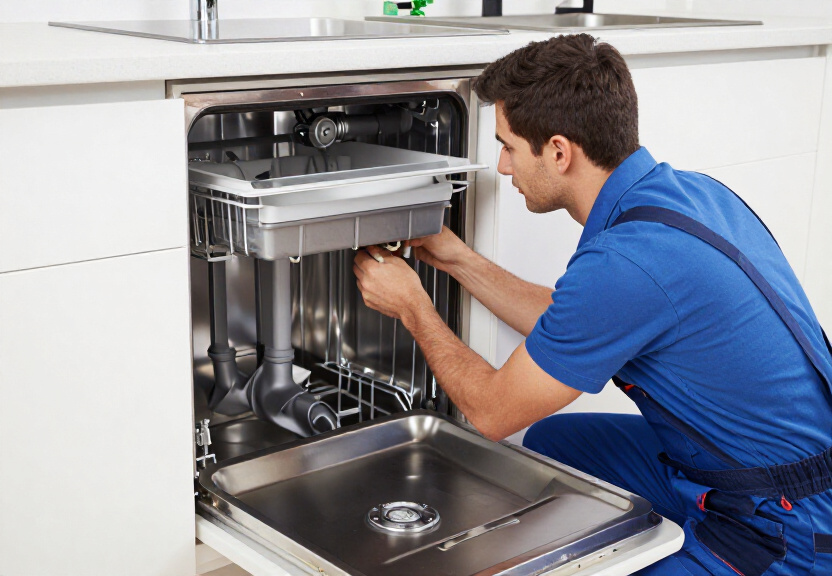
Kitchen Plumbing
Kitchen plumbing solutions from sink installation to water line repairs, tailored for local water quality and usage demands.

Emergency Plumbing
24/7 emergency plumbing response for burst pipes, major leaks, and water heater failures throughout Centerville and Davis County.
About Plumbing in Centerville
Centerville's position along the Wasatch Front means homeowners deal with some of Utah's hardest water, typically measuring 13-18 grains per gallon. This high mineral content causes scale buildup inside pipes, reducing water pressure and accelerating corrosion in older copper and galvanized steel plumbing systems common in neighborhoods near Main Street and Legacy Highway.
Watch for warning signs including discolored water, sudden pressure drops, chronic faucet leaks, and unusual noises in walls during water use. Many split-level and ranch-style homes built between 1970-2000 in Centerville feature original plumbing that's now reaching the end of its service life, making proactive inspections critical before winter freeze-thaw cycles cause catastrophic pipe failures.
Frequently Asked Questions
Centerville's hard water (13-18 grains per gallon) causes mineral scale buildup in pipes, reduces water pressure, and shortens fixture lifespan. Installing water softeners and scheduling regular maintenance can significantly extend your plumbing system's longevity.
Turn off the main water supply immediately and call emergency plumbing services. Never use open flames to thaw pipes. Professional plumbers use safe heat application and can inspect for cracks before restoring water flow to prevent flooding.
With Centerville's hard water conditions, garbage disposals typically last 8-10 years. Regular cleaning and avoiding hard-to-grind items can extend lifespan. We install corrosion-resistant models designed for Utah's water quality.
Homes built before 1990 with galvanized steel or early copper pipes often need repiping after 30-40 years. Signs include frequent leaks, rust-colored water, and low pressure. We offer whole-home repiping with PEX tubing that resists mineral buildup.
Yes, modern low-flow faucets reduce water usage by 30% and are engineered to perform well despite mineral content. They're particularly effective in Centerville homes, helping counteract pressure loss from scale buildup while lowering utility bills.
Shower valve failure from mineral deposits ranks as the top bathroom plumbing problem. Hard water clogs cartridges and stems, causing temperature control issues and leaks. Regular cartridge replacement every 2-3 years prevents costly valve body replacements.