Conway SC Plumbing Services: Pipe Repair & Faucet Installation
Professional plumbing solutions for Conway homeowners. Expert pipe repair, faucet installation, garbage disposal service, and 24/7 emergency plumbing across Horry County.
Plumbing Services in Conway, South Carolina
Conway homeowners face unique plumbing challenges due to the region's hard water and humid coastal climate. Mineral buildup from high iron and calcium content in local groundwater can clog pipes and damage fixtures, while seasonal temperature fluctuations stress aging plumbing systems in historic homes near downtown and newer developments along Highway 701.
Common issues include corroded galvanized pipes in pre-1980s homes, slab leaks from shifting coastal soil, and garbage disposal failures from sand and debris tracked indoors. Our licensed plumbers understand Conway's specific water quality issues and building codes, providing targeted solutions for everything from minor faucet drips to major pipe replacements in residential properties throughout the Waccamaw Neck area.
Professional Plumbing Services
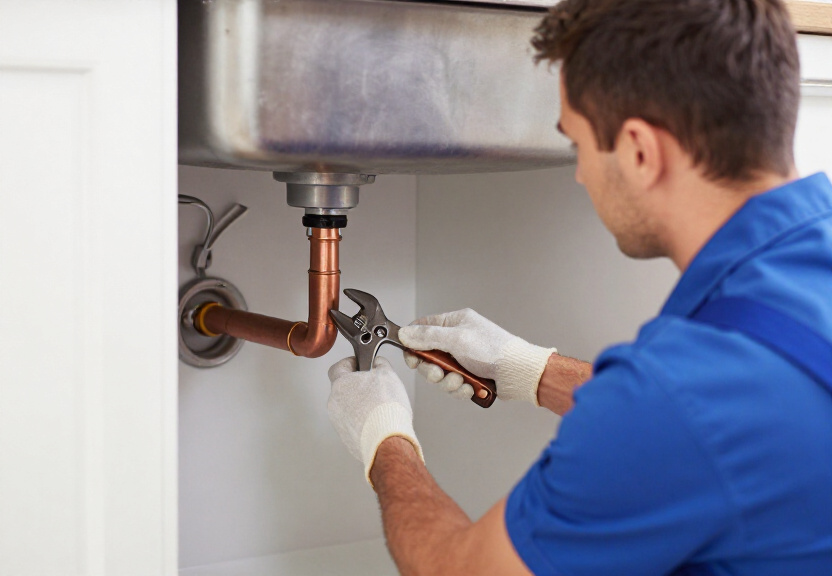
Pipe Repair
Expert pipe repair services for leaking, corroded, or burst pipes in Conway homes. We handle copper, PVC, and galvanized pipe replacements with minimal disruption.
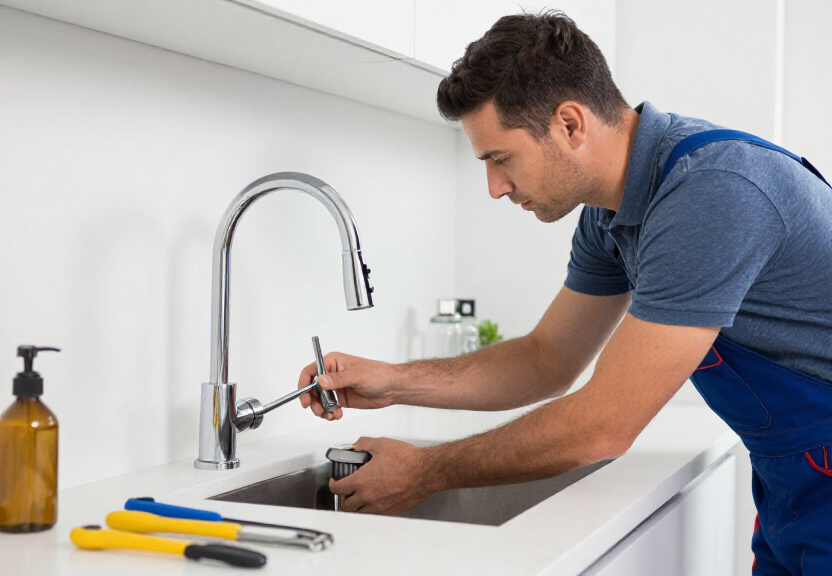
Faucet Installation
Professional faucet installation for kitchens and bathrooms. Upgrade to water-efficient fixtures that combat Conway's hard water mineral buildup.
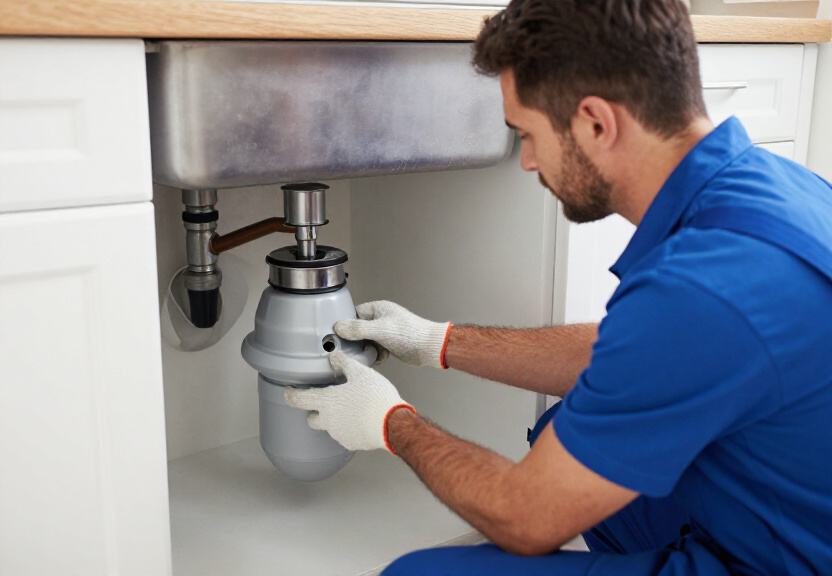
Garbage Disposal
Garbage disposal installation and repair services. Fix jams, leaks, and motor failures common in coastal South Carolina homes.
Complete Plumbing Services
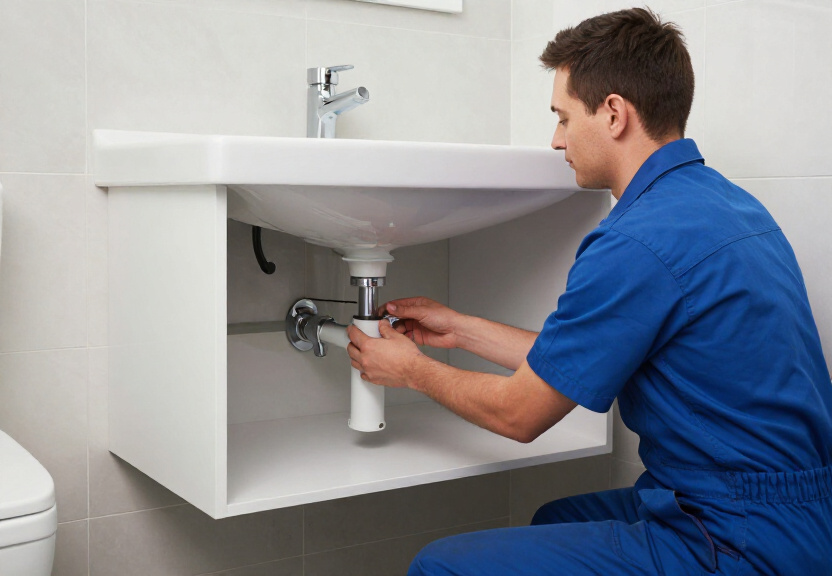
Bathroom Plumbing
Complete bathroom plumbing services including toilet repair, shower valve replacement, and pipe rerouting for renovations in Conway residences.
Kitchen Plumbing
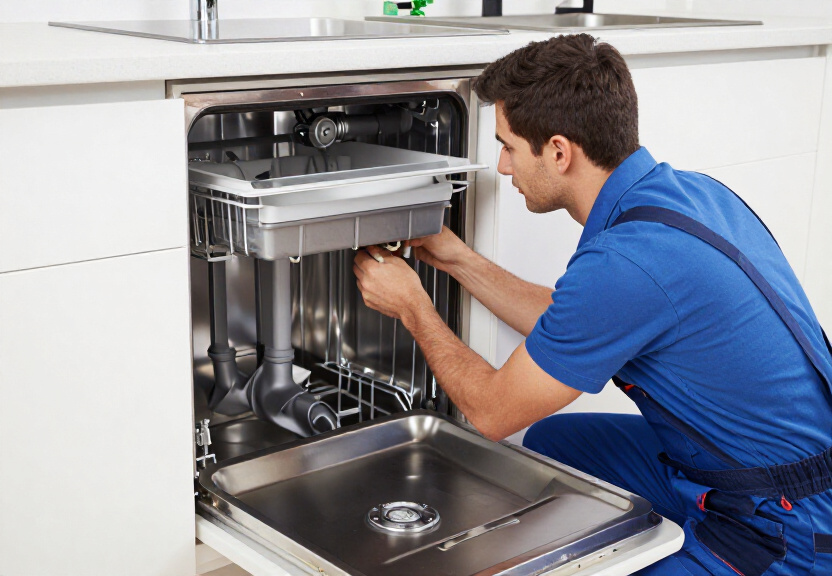
Kitchen plumbing solutions for sink installation, dishwasher hookups, and water line repairs. Address hard water issues affecting Conway homeowners.

Emergency Plumbing
24/7 emergency plumbing services for burst pipes, major leaks, and sewer backups. Rapid response for Conway and surrounding Horry County areas.
About Plumbing in Conway
Conway's water hardness levels typically range from 120-180 ppm, creating scale buildup that reduces pipe diameter and water pressure over time. This mineral-rich groundwater accelerates corrosion in older galvanized steel pipes common in homes built before the 1990s, particularly in neighborhoods like Sherwood and Laurel Bay. Watch for signs including discolored water, reduced flow at faucets, and pinhole leaks in exposed piping.
Local plumbing codes require specific backflow prevention devices due to the region's proximity to the Waccamaw River watershed. Homeowners should monitor for wet spots on walls, musty odors indicating hidden leaks, and unusual sounds in pipes that may signal pressure issues. Annual plumbing inspections are recommended for properties with original fixtures, as Conway's humid climate can also cause premature deterioration of rubber seals and gaskets in toilets and faucets.
Frequently Asked Questions
Conway's mineral-rich groundwater causes scale buildup in pipes, reducing water pressure and accelerating corrosion. We recommend water softeners and regular pipe maintenance to extend system lifespan.
Look for discolored water, low pressure, damp spots on walls, or musty odors. Homes with galvanized pipes over 30 years old are especially vulnerable and should be inspected annually.
Yes, we install EPA WaterSense faucets that combat mineral buildup while reducing water usage. These fixtures are specifically designed to perform well in hard water conditions like Conway's.
Most garbage disposal installations in Conway homes take 1-2 hours. We ensure proper electrical connections and sealing against coastal humidity to prevent premature failure.
Shut off your main water valve immediately and call our 24/7 emergency line. We serve all Conway neighborhoods with rapid response times, typically arriving within 45 minutes.
Annual inspections are recommended due to hard water and humidity. We check for leaks, test water pressure, inspect fixtures for mineral damage, and flush water heaters to remove sediment buildup.