Eau Claire Plumbing Services | Pipe Repair & Faucet Installation
Expert pipe repair, faucet installation, and emergency plumbing for Eau Claire homes. Serving Chippewa Valley with 24/7 availability.
Plumbing Services in Eau Claire, Wisconsin
Eau Claire's harsh winters and aging infrastructure create unique plumbing challenges for homeowners. Many residences, particularly those built before 1970, feature galvanized steel pipes that corrode over time, while freeze-thaw cycles threaten pipe integrity during Wisconsin's coldest months. The city's location in the Chippewa Valley also means varying water table levels can affect basement plumbing and sump pump performance.
Local water conditions contribute to scale buildup and fixture deterioration, making regular maintenance essential for Eau Claire households. From burst pipes in January to water pressure issues in summer, residents face year-round plumbing concerns that require professional expertise familiar with regional building codes and climate-specific solutions.
Professional Plumbing Services
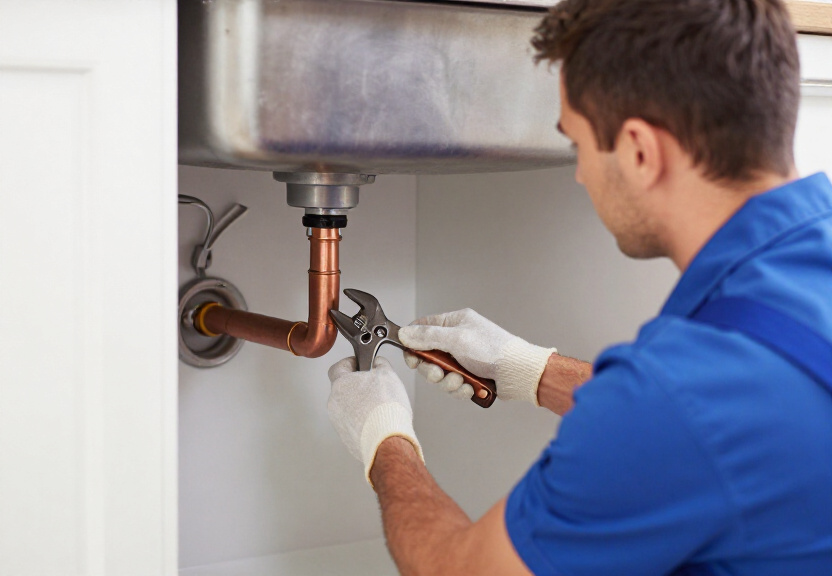
Pipe Repair
Professional pipe repair services for frozen, corroded, or leaking pipes. We handle copper, PEX, and galvanized steel repiping throughout Eau Claire.
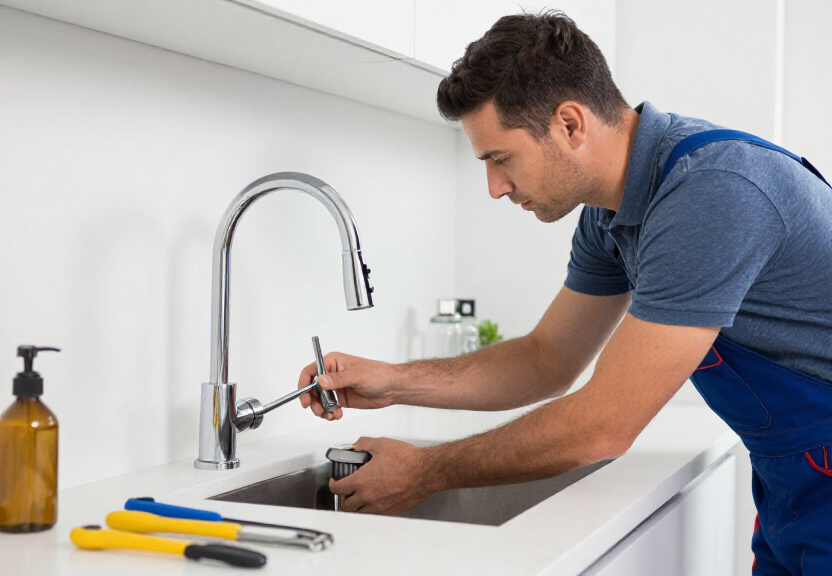
Faucet Installation
Expert faucet installation for kitchens and bathrooms, including hard water-resistant models perfect for Eau Claire's mineral-rich water supply.
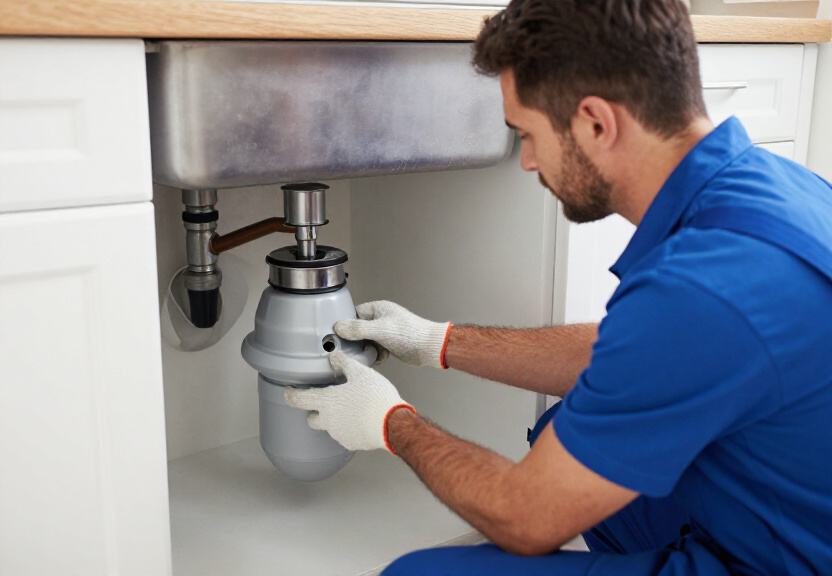
Garbage Disposal
Garbage disposal installation and repair services to keep your kitchen running smoothly. We service all major brands with same-day availability.
Complete Plumbing Services
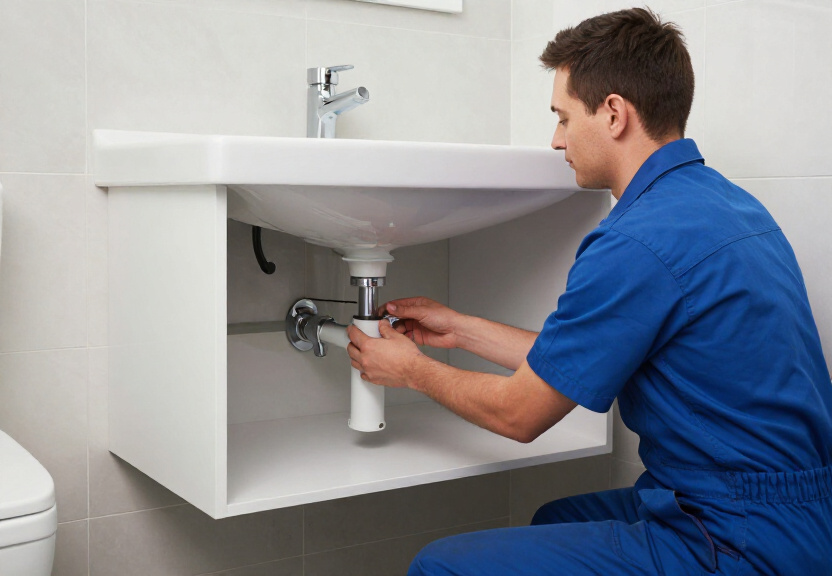
Bathroom Plumbing
Complete bathroom plumbing services including toilet repair, sink installation, shower valve replacement, and fixture upgrades.
Kitchen Plumbing
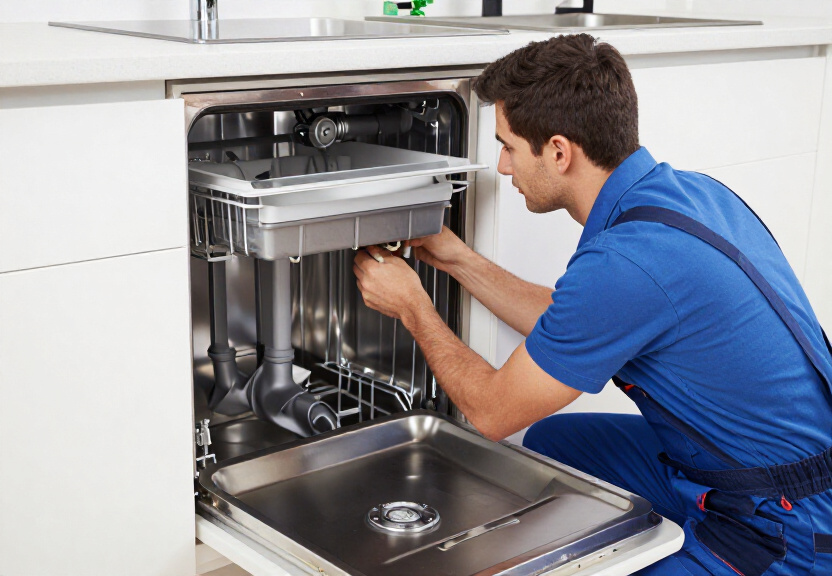
Kitchen plumbing solutions including sink repair, dishwasher hookups, water line installation, and ice maker connections.

Emergency Plumbing
24/7 emergency plumbing services for burst pipes, severe leaks, and water heater failures. Rapid response throughout Eau Claire and Chippewa Valley.
About Plumbing in Eau Claire
Eau Claire's moderately hard water (13-18 grains per gallon) accelerates pipe corrosion and reduces fixture lifespan, particularly in homes with older galvanized steel plumbing. Mineral deposits restrict water flow, increase pressure on joints, and cause premature failure of faucets and shut-off valves. Local homeowners should watch for white scale buildup on fixtures, reduced water pressure, and discolored water—these indicate hard water damage requiring professional intervention.
Common plumbing fixtures in Eau Claire homes include compression-style faucets in houses built before 1990 and older sump pump systems in flood-prone areas near the Chippewa River. Warning signs include gurgling drains (indicating vent issues), water stains on ceilings (frozen pipe damage), and fluctuating water pressure (mineral buildup). Annual inspections before winter can prevent costly emergencies, especially for homes with original plumbing in established neighborhoods like Randall Park or Water Street district.
Frequently Asked Questions
Hard water minerals create scale buildup that restricts flow and corrodes pipes, especially galvanized steel common in pre-1970 Eau Claire homes. This leads to reduced pressure and premature pipe failure.
Turn off main water supply immediately and call emergency plumbing services. Never use open flames. Eau Claire plumbers can safely thaw pipes and repair cracks before they burst.
Standard kitchen or bathroom faucet installation typically takes 1-2 hours, including removal of old fixture and testing. Hard water conditions may require additional cleaning of mounting surfaces.
Replace when you notice frequent jams, leaks, or loud grinding noises. Most units last 8-12 years. Eau Claire's water quality can affect motor lifespan.
Running toilets and slow leaks caused by worn flappers and fill valves, exacerbated by mineral deposits from hard water. These waste thousands of gallons annually.
Insulate exposed pipes in basements and crawl spaces, disconnect outdoor hoses, and maintain consistent indoor temperatures. Schedule pre-winter inspections of vulnerable areas.