Grand Junction Plumbing Services | Pipe & Faucet Repair Experts
Trusted pipe repair, faucet installation, and emergency plumbing for Grand Junction homes. Serving Mesa County with reliable solutions.
Plumbing Services in Grand Junction, Colorado
Grand Junction's unique high-desert climate and Colorado River water supply create distinct plumbing challenges for homeowners. The combination of hard water minerals and dramatic temperature swings between seasons can accelerate wear on pipes and fixtures throughout Mesa County.
Many homes in the historic downtown districts and older neighborhoods still rely on original copper or galvanized steel plumbing systems. These aging materials, combined with our cold winters that regularly drop below freezing, increase the risk of pipe corrosion, leaks, and unexpected failures that require immediate professional attention.
Professional Plumbing Services
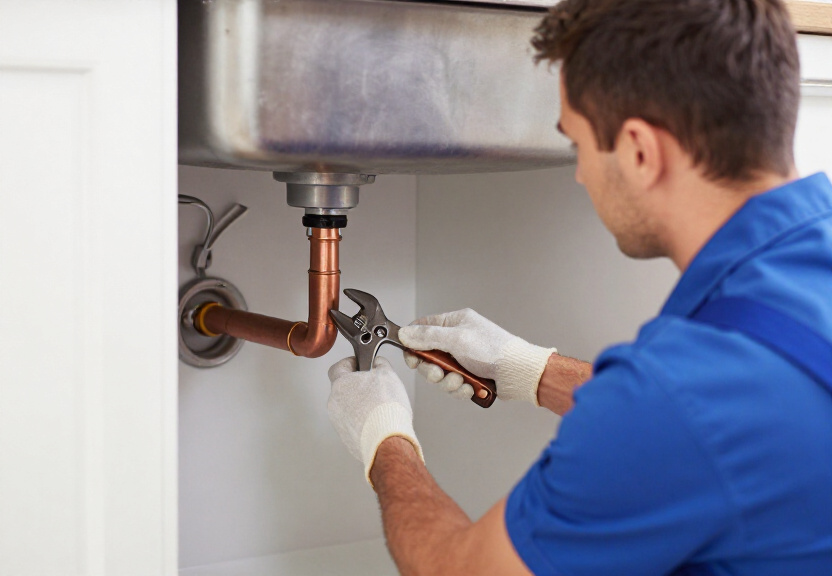
Pipe Repair
Expert pipe repair services for leaks, corrosion, and burst pipes. We fix copper, PEX, and galvanized plumbing systems quickly.
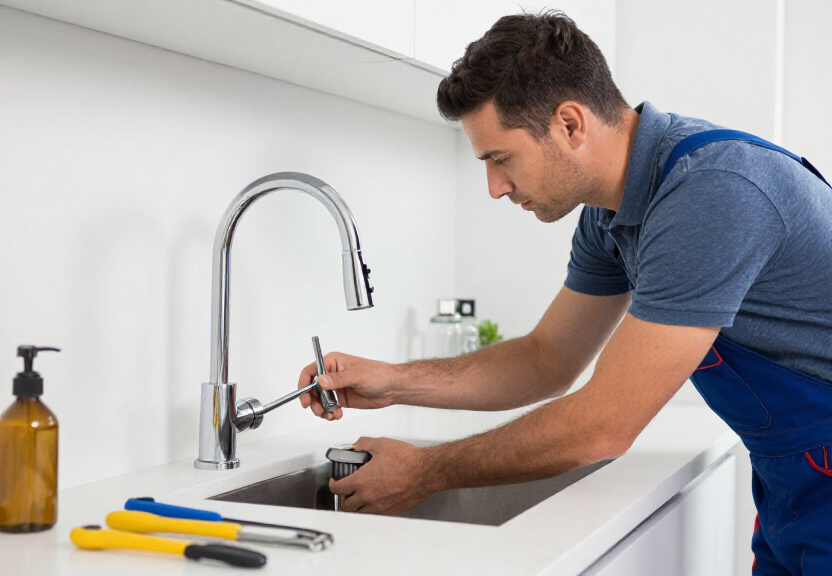
Faucet Installation
Professional faucet installation for kitchens and bathrooms. Upgrade fixtures to handle Grand Junction's hard water conditions.
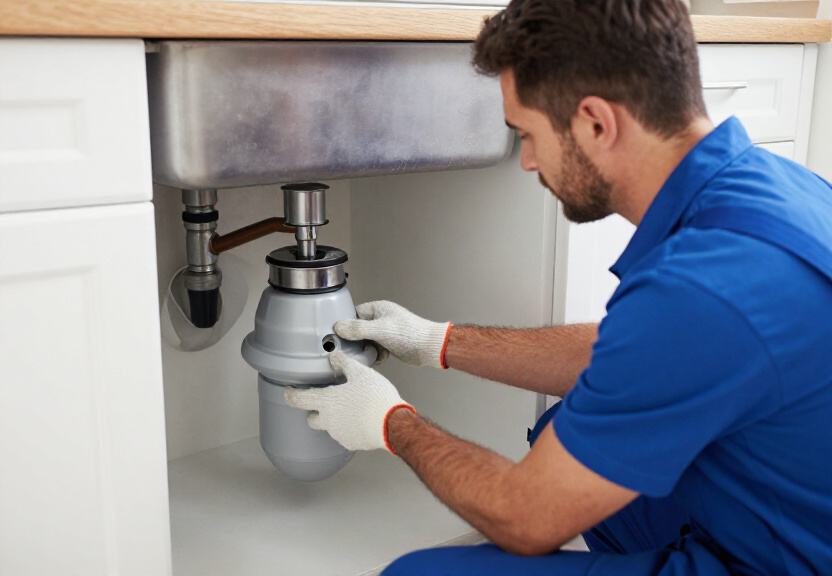
Garbage Disposal
Garbage disposal installation and repair services. Keep your kitchen running smoothly with proper waste disposal solutions.
Complete Plumbing Services
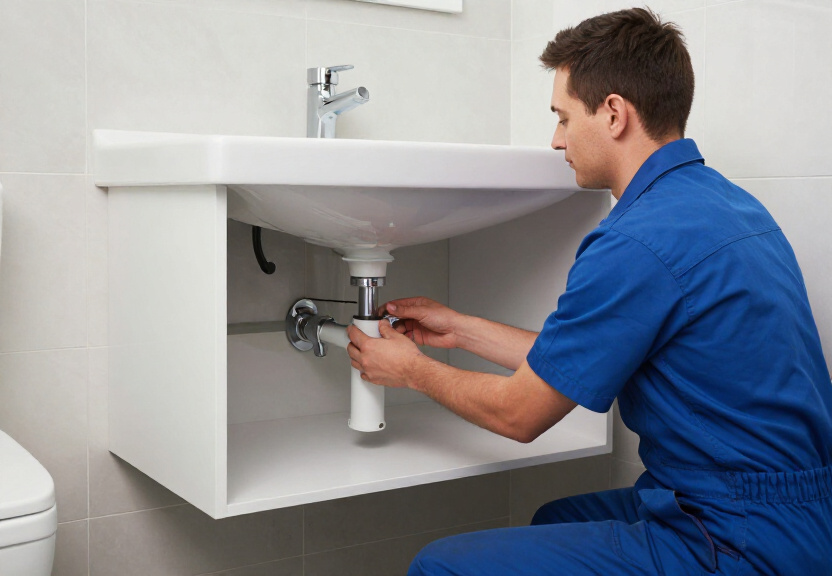
Bathroom Plumbing
Complete bathroom plumbing services including toilet repair, shower valve replacement, and fixture installation.
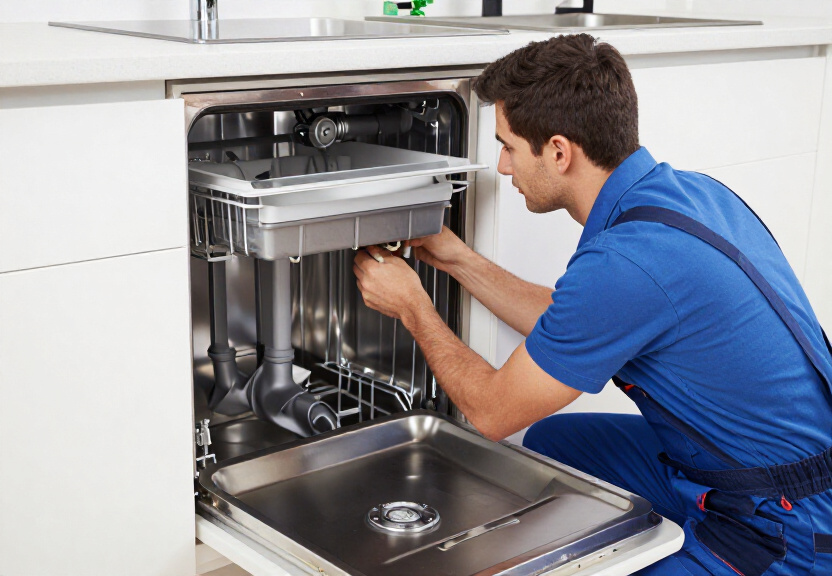
Kitchen Plumbing
Kitchen plumbing solutions for sinks, dishwashers, and water lines. Professional installation and repair services.
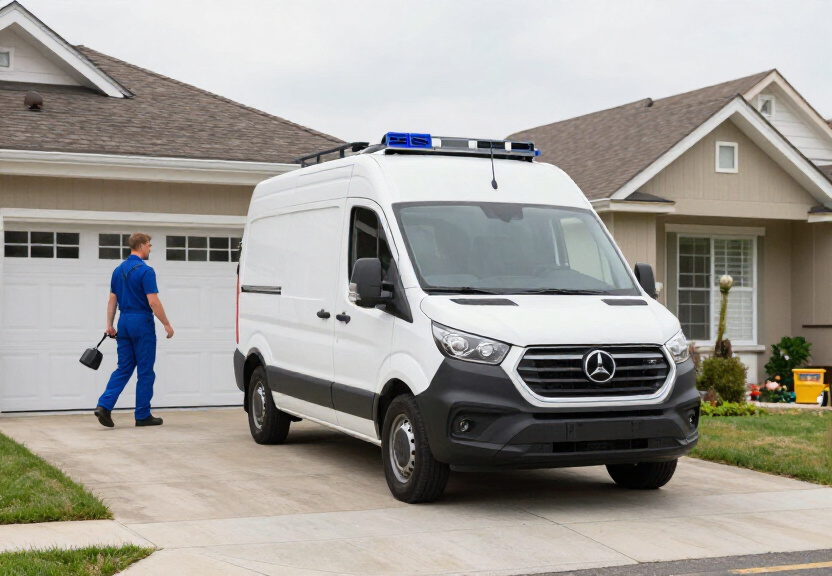
Emergency Plumbing
24/7 emergency plumbing services for burst pipes, major leaks, and water heater failures in Grand Junction.
About Plumbing in Grand Junction
Grand Junction's water hardness levels, typically measuring 8-12 grains per gallon, leave mineral deposits that gradually restrict water flow and corrode valve components. Local homes often feature compression faucets and older ball-style fixtures that require more frequent maintenance than modern ceramic disc designs. The clay-rich soils common in the Grand Valley expand and contract with moisture changes, potentially shifting underground supply lines and causing hidden leaks near foundation penetrations.
Homeowners should watch for warning signs including decreased water pressure in kitchen faucets, visible corrosion on bathroom supply lines, unexplained spikes in monthly water bills, and banging noises when fixtures shut off. During winter months, keep an eye on exterior wall plumbing and consider installing pressure regulators, as Grand Junction's municipal water pressure can exceed 80 PSI in certain elevations, stressing residential systems.
Frequently Asked Questions
The Colorado River water supply contains high mineral content that creates scale buildup inside pipes, reducing water pressure and shortening the lifespan of faucets, valves, and water heaters. Annual maintenance helps prevent costly replacements.
Turn off the main water supply immediately and call our emergency plumbing service. Never use open flames to thaw pipes. We use professional heat tracing equipment to safely restore water flow and inspect for cracks before turning water back on.
With Grand Junction's hard water, most faucets need replacement every 8-12 years. Signs include persistent drips, difficulty turning handles, or visible mineral corrosion. Upgrading to modern ceramic disc faucets improves durability against mineral buildup.
Listen for unusual grinding noises, frequent resets, or water backing up into the sink. The hard water in Grand Junction can cause mineral buildup on disposal blades. If your unit is over 10 years old and repairs exceed half the replacement cost, installation of a new unit is recommended.
Call immediately for burst pipes, major leaks causing water damage, sewage backups, or complete water loss. In Grand Junction's cold climate, rapid response prevents extensive property damage and mold growth in basements and crawl spaces.
Insulate exposed pipes in unheated areas, disconnect outdoor hoses before first freeze, maintain consistent indoor temperatures above 55°F, and have your pressure regulator checked annually. Consider installing frost-free hose bibs and letting faucets drip during extreme cold snaps.