Great Falls MT Plumbing Services | Pipe & Faucet Repair
Professional plumbing repairs and installations serving Great Falls homeowners. Expert pipe repair, faucet installation, and emergency services.
Plumbing Services in Great Falls, Montana
Great Falls homeowners face unique plumbing challenges due to the region's moderately hard water and temperature extremes. The Missouri River water supply contains minerals that accelerate pipe corrosion and fixture buildup, especially in historic homes near downtown and the North Side built before 1960.
Cold winter temperatures regularly drop below freezing, putting stress on aging galvanized steel pipes and increasing burst pipe risks. Many residences experience low water pressure, discolored water, and slow drains from decades of mineral accumulation and thermal expansion cycles.
Professional Plumbing Services
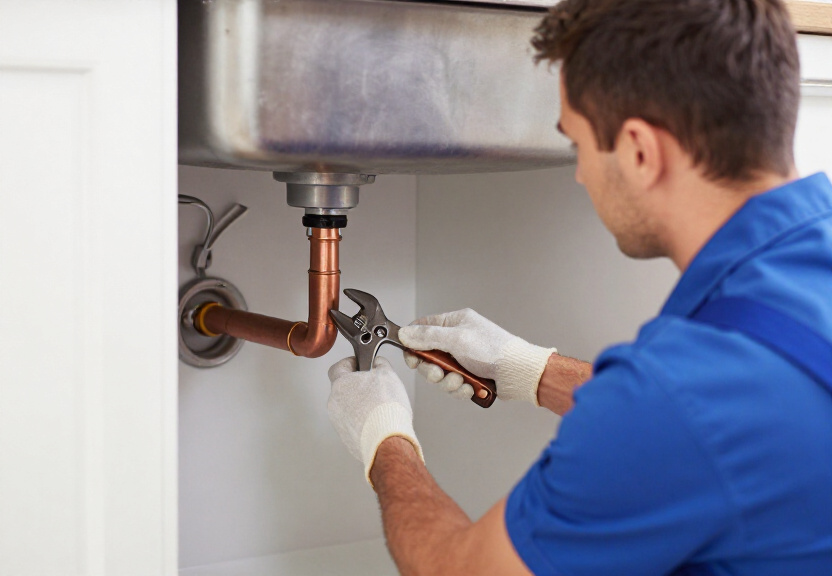
Pipe Repair
Expert pipe repair for leaks, corrosion, and frozen pipes. We fix copper, PEX, and aging galvanized steel pipes common in Great Falls homes.
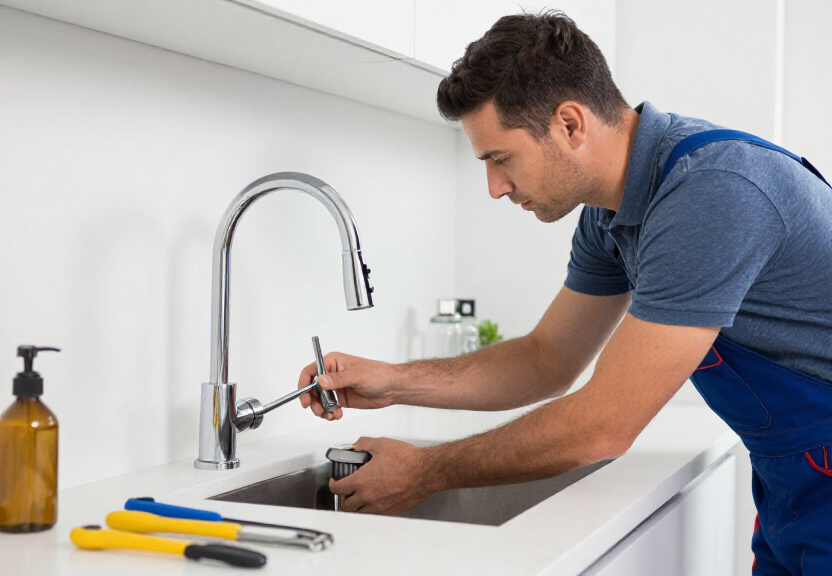
Faucet Installation
Professional faucet installation for kitchens and bathrooms. Upgrade to modern fixtures that withstand Great Falls' hard water conditions.
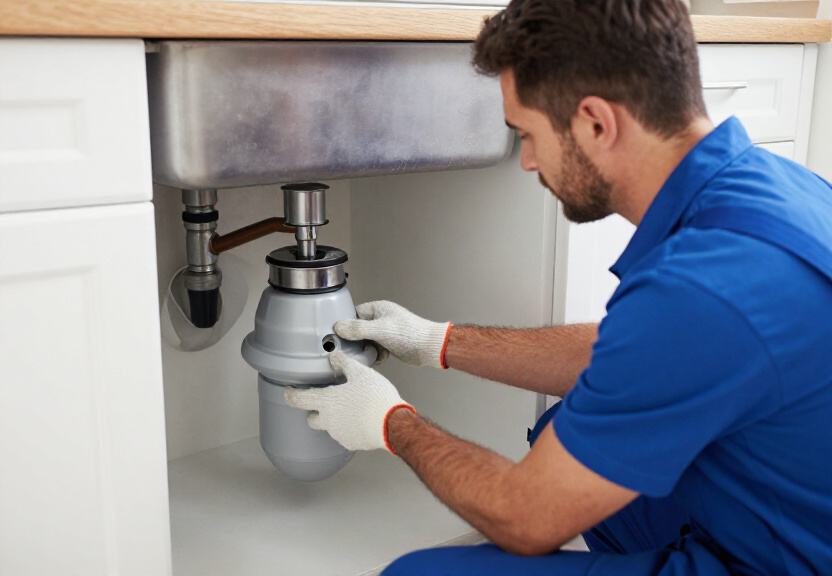
Garbage Disposal
Garbage disposal installation and repair services. Keep your kitchen running smoothly with proper disposal maintenance and replacement.
Complete Plumbing Services
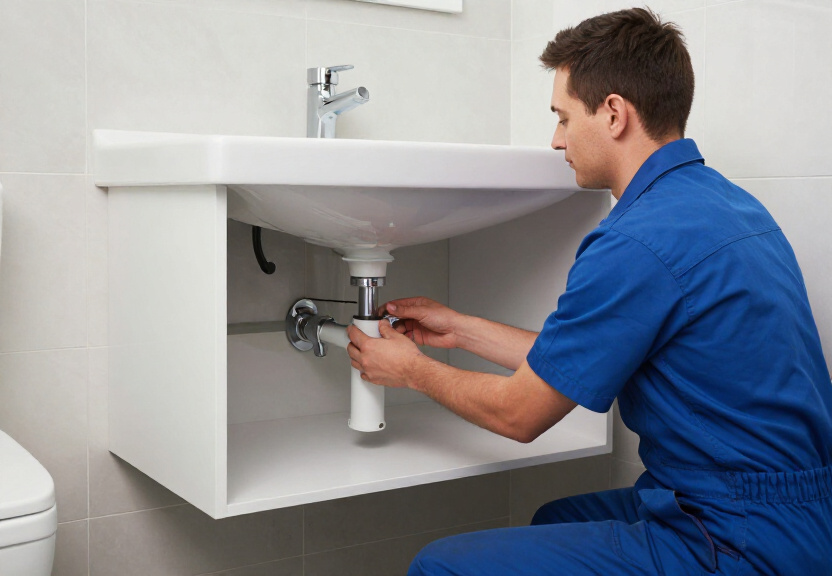
Bathroom Plumbing
Complete bathroom plumbing services including toilet repair, shower fixtures, and pipe replacement for Great Falls homes.
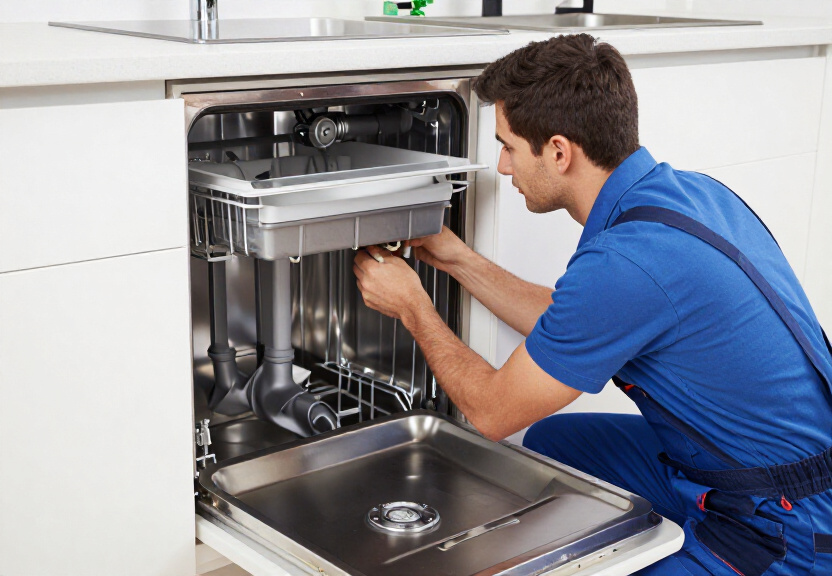
Kitchen Plumbing
Kitchen plumbing solutions for sinks, dishwashers, and water lines. Handle hard water buildup and aging connections professionally.
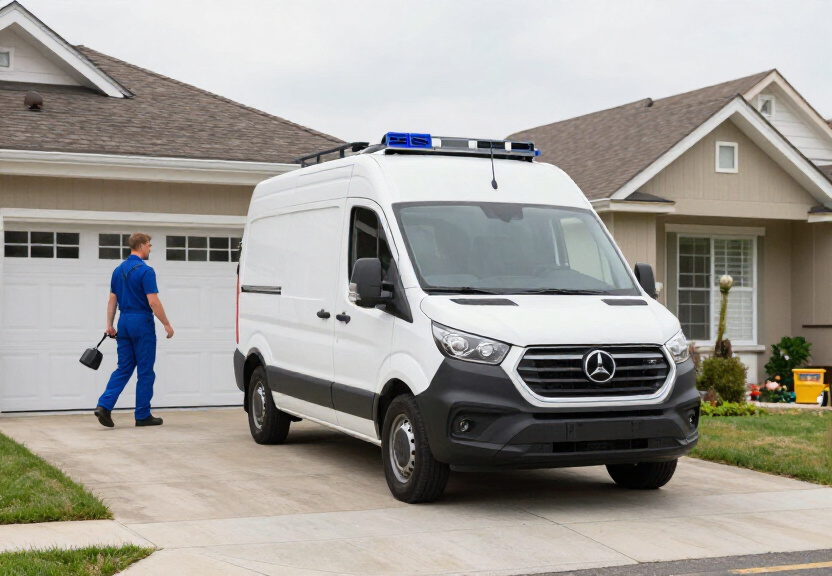
Emergency Plumbing
24/7 emergency plumbing services for burst pipes, major leaks, and water heater failures. Fast response across Great Falls and Cascade County.
About Plumbing in Great Falls
Great Falls water hardness levels average 150-180 mg/L, creating scale buildup inside pipes that reduces water flow and damages fixtures. Homes in neighborhoods like Riverview and Fox Farm often contain original galvanized plumbing from the 1940s-1950s, making them vulnerable to internal corrosion and pinhole leaks. Watch for warning signs including rattling pipes, water pressure fluctuations, rust-colored water, and unexpected increases in your water bill.
Local plumbing fixtures must withstand both hard water staining and freeze-thaw cycles. Residents should monitor exposed pipes in basements, crawl spaces, and exterior walls during Montana's sub-zero winter months. Professional maintenance every 12-18 months helps prevent emergency situations and extends the life of your plumbing system in Cascade County's challenging conditions.
Frequently Asked Questions
Great Falls' moderately hard water leaves mineral deposits inside pipes, reducing water pressure and causing fixture corrosion. Over time, this buildup can clog supply lines and damage water heaters, especially in homes with older galvanized steel plumbing.
Common indicators include low water pressure, discolored or rusty water, visible leaks, damp spots on walls, and unexplained increases in your water bill. If you hear banging or rattling pipes, it may signal loose or damaged sections requiring immediate attention.
Most kitchen faucets last 10-15 years. Replace yours if you notice persistent leaks, corrosion, low water flow despite cleaning the aerator, or difficulty controlling water temperature. Modern faucets offer better hard water resistance and water efficiency.
Garbage disposals generally last 8-12 years with proper maintenance. Hard water minerals can shorten lifespan by dulling blades and corroding components. If you experience frequent jams, leaks, or poor grinding performance, it may be time for replacement.
Turn off the main water supply immediately and call emergency plumbing services. Never use open flames to thaw pipes. Professional plumbers can safely restore water flow and inspect for cracks. Prevent future freezing by insulating exposed pipes and maintaining consistent indoor temperatures.
Schedule professional plumbing maintenance every 12-18 months due to hard water conditions. Annual inspections help identify mineral buildup, corrosion, and weak points before they become emergencies. Winterize your system each fall to prevent freeze damage.