Lake St. Louis Plumbing Services | Pipe & Faucet Experts
Professional pipe repair, faucet installation, and emergency plumbing for Lake St. Louis homes. Midwest climate specialists.
Plumbing Services in Lake St. Louis, Missouri
Lake St. Louis homeowners face unique plumbing challenges due to the region's hard water supply from the Missouri River and dramatic Midwest climate swings. The area's mineral-rich water combined with freezing winter temperatures and humid summers creates stress on residential plumbing systems, leading to accelerated pipe corrosion, fixture deterioration, and seasonal emergencies.
Common plumbing problems in this St. Charles County community include frozen pipe bursts during January cold snaps, hard water scale buildup reducing water pressure, and aging copper or galvanized steel pipes in homes built before the 2000s. Local residents frequently encounter leaky faucets, running toilets, and garbage disposal failures that require immediate professional attention.
Professional Plumbing Services
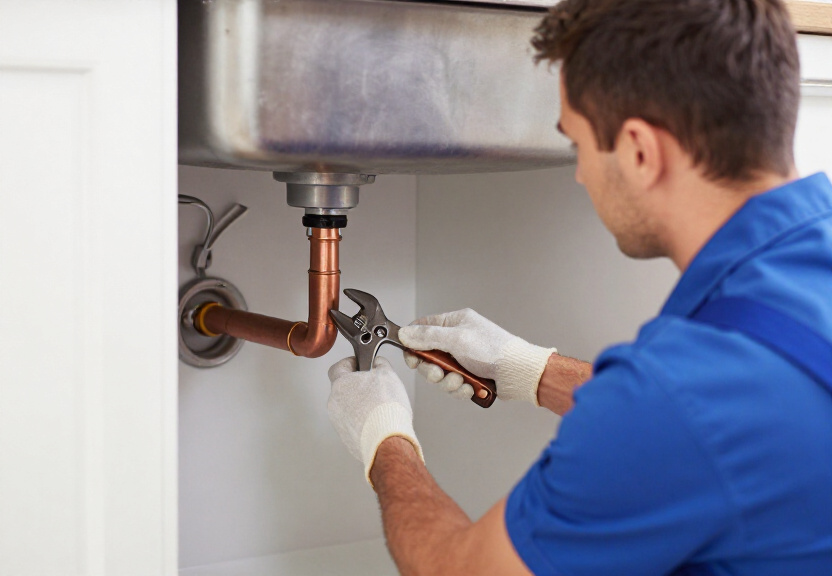
Pipe Repair
Expert pipe repair services for leaks, corrosion, and frozen pipe damage. Our licensed plumbers restore your plumbing system quickly.
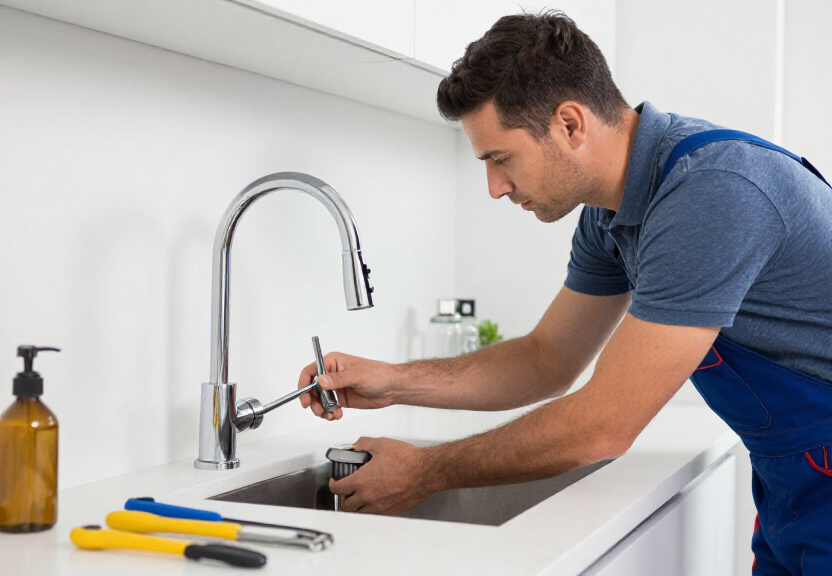
Faucet Installation
Professional faucet installation for kitchens and bathrooms. We install all brands and fixture types with guaranteed workmanship.
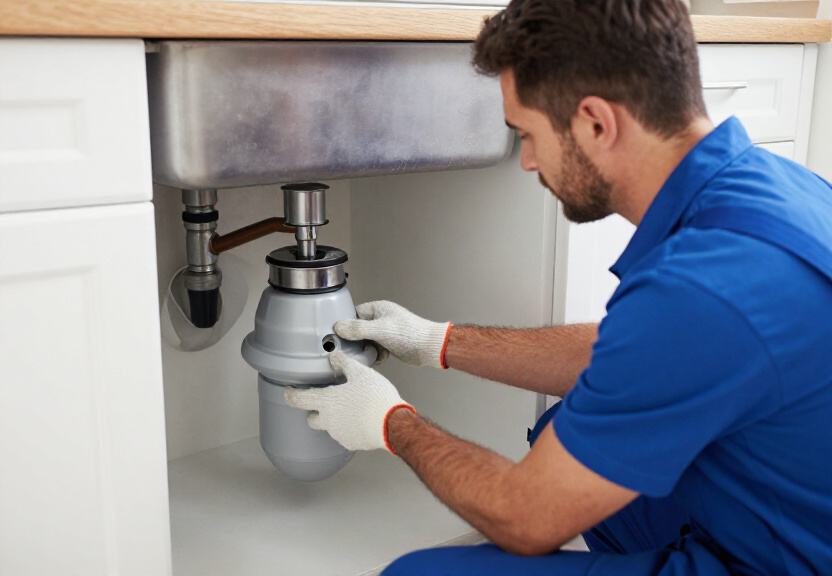
Garbage Disposal
Garbage disposal installation and repair services. Fix jams, leaks, or upgrade to a powerful new disposal unit.
Complete Plumbing Services
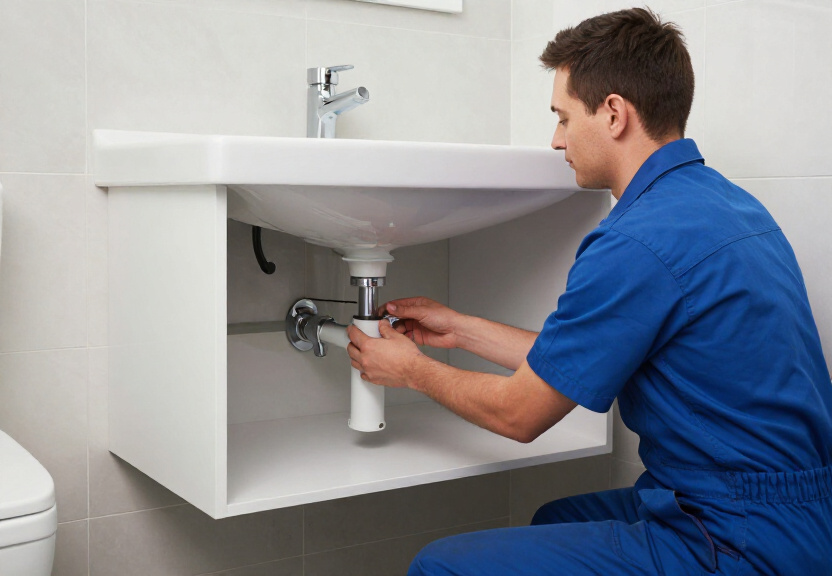
Bathroom Plumbing
Complete bathroom plumbing services including toilets, showers, sinks, and tub installations and repairs.
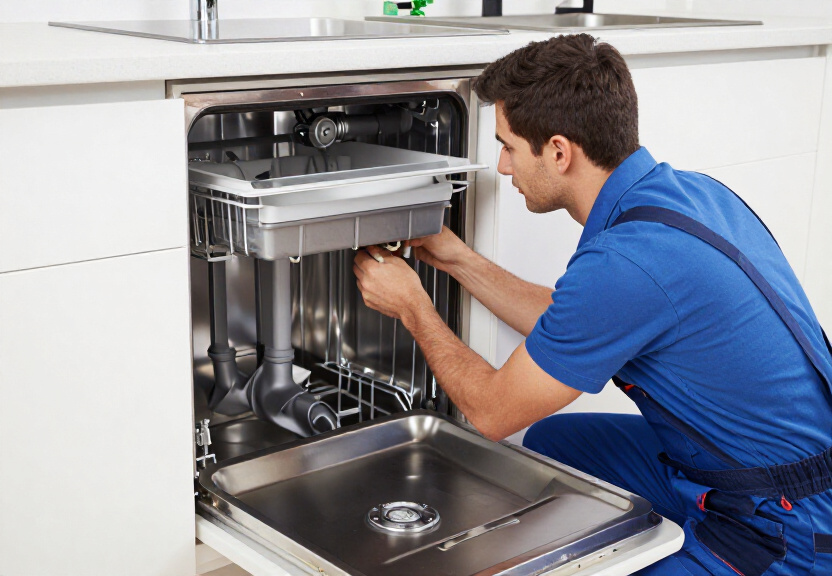
Kitchen Plumbing
Kitchen plumbing solutions for sinks, dishwashers, ice makers, and water lines. Keep your kitchen running smoothly.
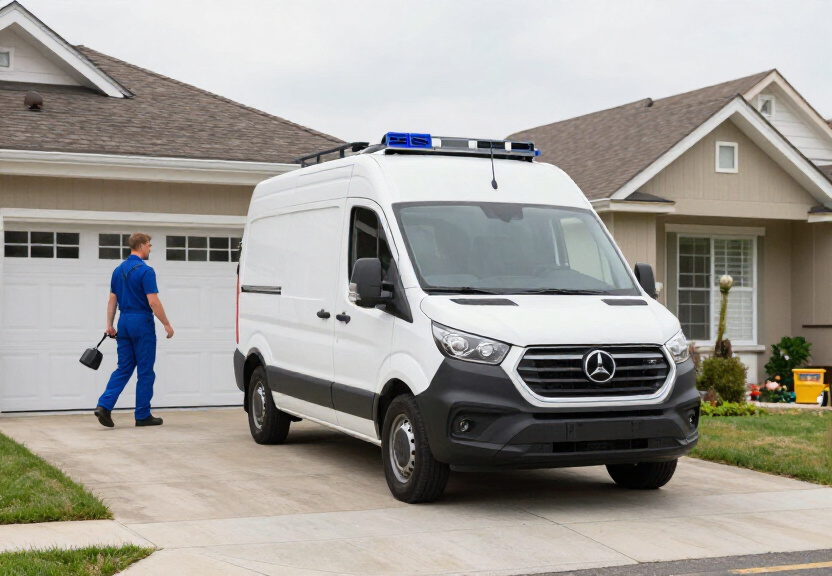
Emergency Plumbing
24/7 emergency plumbing services for burst pipes, major leaks, and plumbing emergencies in Lake St. Louis.
About Plumbing in Lake St. Louis
Lake St. Louis receives moderately hard to hard water from the Missouri River watershed, typically measuring 7-10 grains per gallon. This mineral content causes progressive scale accumulation inside pipes, reducing water flow by up to 30% over five years and creating pinhole leaks in copper piping. Homeowners with homes built during Lake St. Louis's major development phases (1970s-1990s) often have original galvanized steel pipes now reaching the end of their 40-50 year lifespan, making them vulnerable to internal rust and sudden failures.
Watch for these local warning signs: white or green mineral deposits on faucets, reduced hot water pressure indicating water heater sediment buildup, discolored water suggesting pipe corrosion, and slow drains in kitchen garbage disposals due to hard water residue. During Lake St. Louis winters, be alert for frost on exposed pipes in unheated garages or crawl spaces, and listen for unusual hammering sounds when faucets turn on. If you notice any of these issues, contact a licensed plumber before minor problems become costly emergencies.
Frequently Asked Questions
Hard water minerals (calcium and magnesium) create scale buildup that restricts water flow, increases pressure on pipes, and causes premature corrosion. Annual pipe inspections and water softeners can help protect your plumbing system.
Turn off the main water supply immediately, then call our emergency plumbers. Never use open flames to thaw pipes. We use safe heat application to prevent bursting and inspect for hidden cracks.
Most faucet installations take 1-2 hours for standard kitchen or bathroom fixtures. Complex configurations or additional plumbing modifications may require 3-4 hours for completion.
Replace your garbage disposal if it's over 8-10 years old, frequently jams, leaks from the housing, makes unusual noises, or requires constant resetting. Newer models handle hard water better.
Watch for persistent running toilets, low shower pressure, sink leaks, slow tub drainage, or water stains on ceilings below bathrooms. These indicate fixture failures or hidden pipe issues requiring immediate attention.
Insulate pipes before winter, schedule annual plumbing inspections, install a water softener to combat hard water, know your main shut-off valve location, and address small leaks immediately before they escalate.