Ramsey NJ Plumbing Services: Pipe Repair & Faucet Installation
Professional plumbing solutions for Ramsey homeowners. Expert pipe repair, faucet installation & 24/7 emergency service.
Plumbing Services in Ramsey , New Jersey
Ramsey's charming neighborhoods feature many homes built between the 1950s and 1980s, often with original plumbing systems that now require professional attention. The 's moderate water hardness and seasonal temperature fluctuations create unique challenges for aging copper and galvanized steel pipes, leading to pinhole leaks, reduced water pressure, and fixture deterioration.
Local homeowners frequently encounter frozen pipe risks during harsh New Jersey winters, while summer humidity can accelerate corrosion in older plumbing. Our Ramsey plumbing experts understand these regional factors, providing targeted solutions for everything from minor leaks to complete pipe replacements that meet current Bergen County building codes.
Professional Plumbing Services
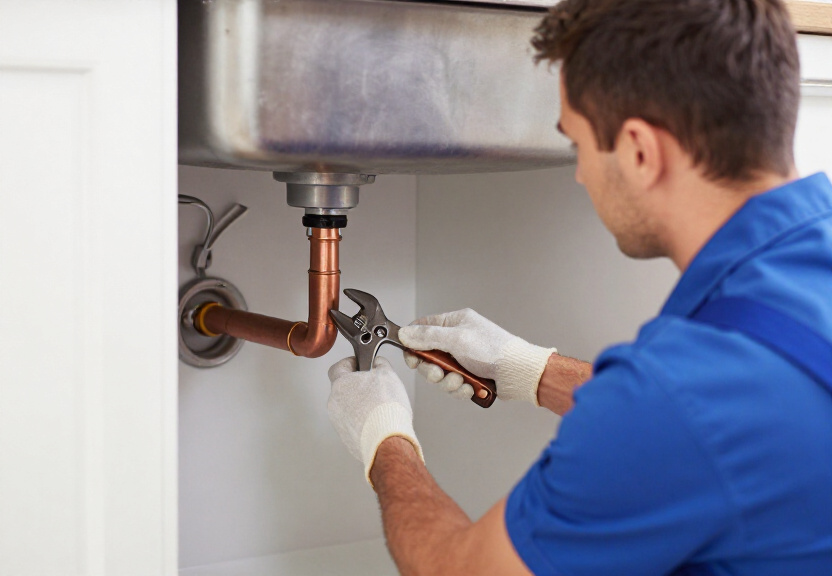
Pipe Repair
Expert pipe repair for leaks, bursts, and corrosion. We handle copper, PEX, and galvanized pipe replacement with minimal disruption to your Ramsey home.
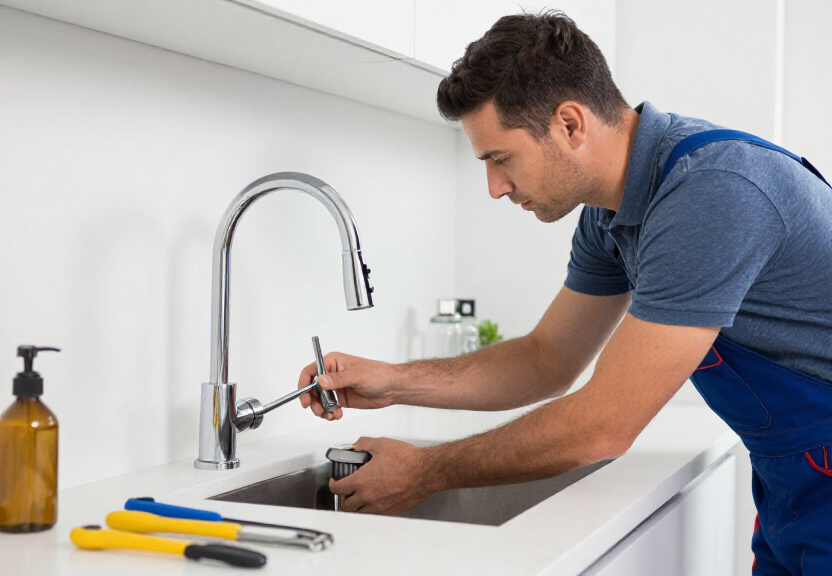
Faucet Installation
Professional kitchen and bathroom faucet installation. We install all major brands with proper sealing and water pressure optimization for Ramsey homes.
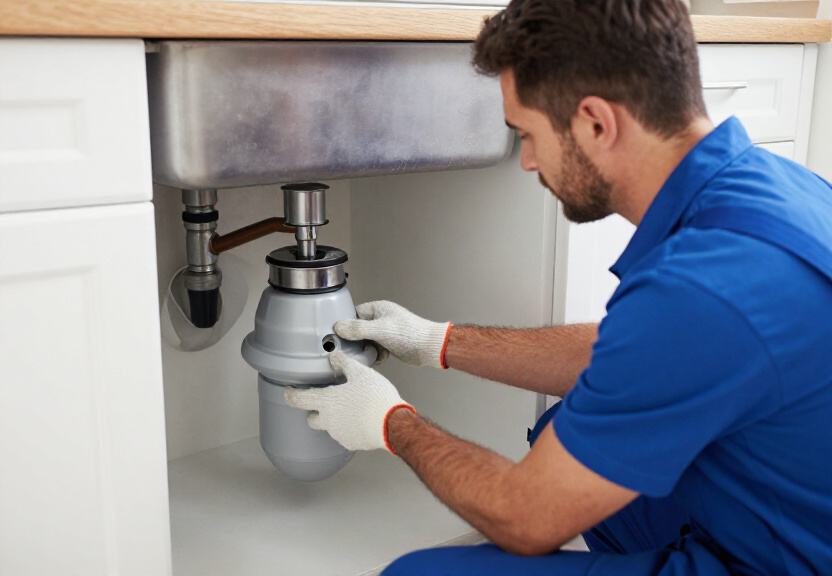
Garbage Disposal
Garbage disposal installation and repair services. We fix jams, leaks, and motor issues or install new units with proper electrical and plumbing connections.
Complete Plumbing Services
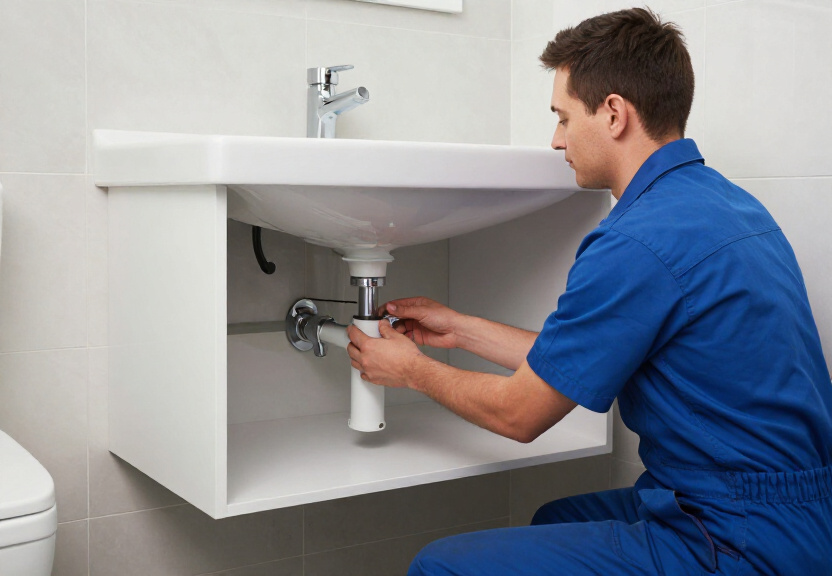
Bathroom Plumbing
Complete bathroom plumbing services including toilets, showers, tubs, and sink repairs. We handle fixture replacements and pipe rerouting.
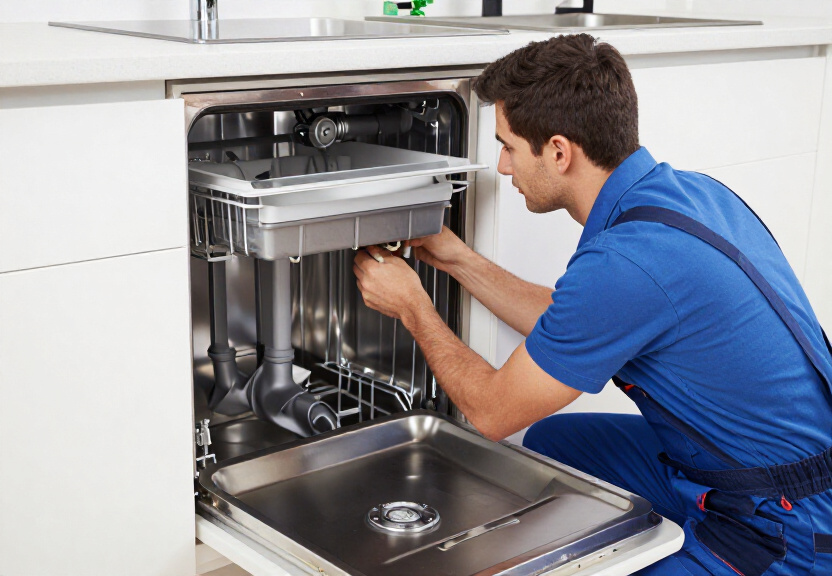
Kitchen Plumbing
Kitchen plumbing solutions for sinks, dishwashers, and water lines. We repair leaks, install new fixtures, and upgrade water supply lines.
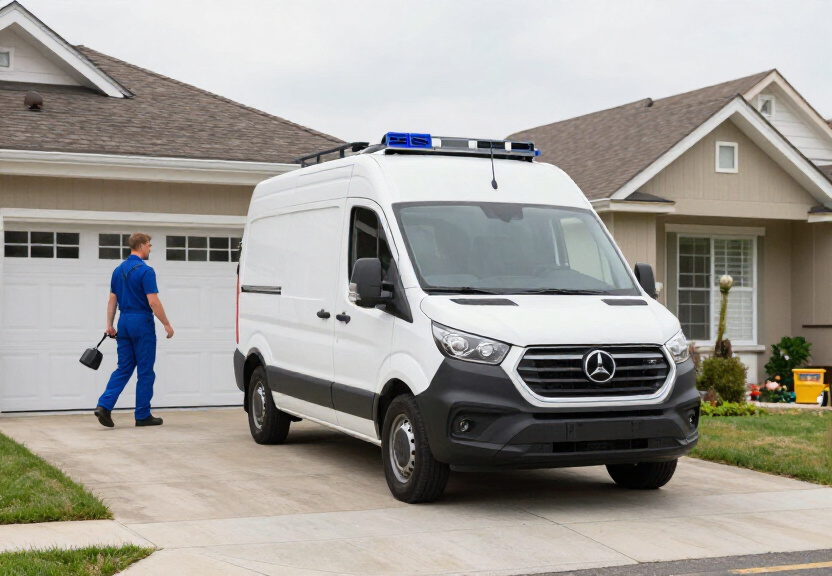
Emergency Plumbing
24/7 emergency plumbing services for Ramsey residents. Fast response for burst pipes, major leaks, and water heater failures.
About Plumbing in Ramsey
Ramsey's water supply contains moderate mineral content that can accelerate scale buildup in pipes and fixtures, particularly in homes built before 1980 with original galvanized plumbing. This hardness contributes to reduced water flow, appliance inefficiency, and premature fixture failure. Our local plumbing specialists recommend annual inspections to catch early signs of corrosion, especially in the 's older split-level and ranch-style homes common near Lake Street and downtown areas.
Watch for warning signs including discolored water, sudden pressure drops, slow drainage, and unusual sounds in your walls. Ramsey homeowners should also monitor their water heaters for sediment accumulation due to mineral content. During winter months, keep cabinet doors open and maintain consistent thermostat settings to prevent frozen pipes in exterior walls—a frequent issue in Ramsey's hillside neighborhoods. Our team understands local building codes and can upgrade your plumbing system to handle New Jersey's seasonal demands while improving water efficiency.
Frequently Asked Questions
Ramsey's moderately hard water can cause mineral buildup in pipes and fixtures, reducing water pressure and shortening appliance lifespan. We recommend water softening solutions and regular maintenance to protect your plumbing investment.
Look for discolored water, low pressure, damp spots on walls, or metallic tastes. Many Ramsey homes have aging galvanized pipes that corrode from the inside out, requiring professional inspection and replacement.
Most faucet installations take 1-2 hours, including removal of the old fixture, surface preparation, and testing. Complex installations or additional plumbing modifications may require more time.
This usually indicates a jammed flywheel. Turn off power and try manual rotation with an Allen wrench. If the problem persists, the motor may be failing and require professional repair or replacement.
First, shut off your main water valve. Then call our 24/7 emergency line. We typically arrive within 60 minutes for Ramsey residents to handle burst pipes, major leaks, or sewer backups.
Keep heat at 65°F minimum, open cabinet doors under sinks, disconnect hoses, and consider insulating pipes in unheated areas. Let faucets drip during extreme cold snaps common in January and February.