St. Michael MN Plumbing Services | Pipe Repair & Faucet Installation
Reliable plumbing repairs for St. Michael homes. From frozen pipe repair to kitchen faucet installation, our licensed plumbers serve Wright County 24/7.
Plumbing Services in St. Michael, Minnesota
St. Michael homeowners face unique plumbing challenges due to Minnesota's extreme temperature swings and hard water conditions. Located in Wright County, many residences experience issues with aging plumbing systems that struggle to handle modern water demands and winter freeze cycles.
The combination of cold winters that frequently drop below zero and mineral-rich groundwater creates perfect conditions for pipe corrosion, fixture deterioration, and frozen pipe emergencies. Local homes, whether historic properties near downtown or newer developments around Lake Martha, require specialized plumbing expertise to address these regional factors effectively.
Professional Plumbing Services
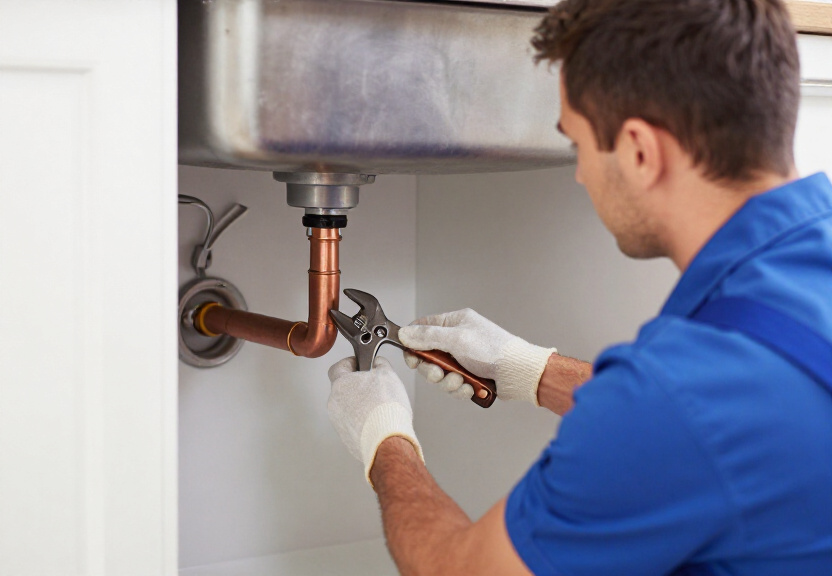
Pipe Repair
Professional pipe repair services for leaks, corrosion, and frozen pipe damage. Our St. Michael plumbers fix copper, PEX, and galvanized pipes fast.
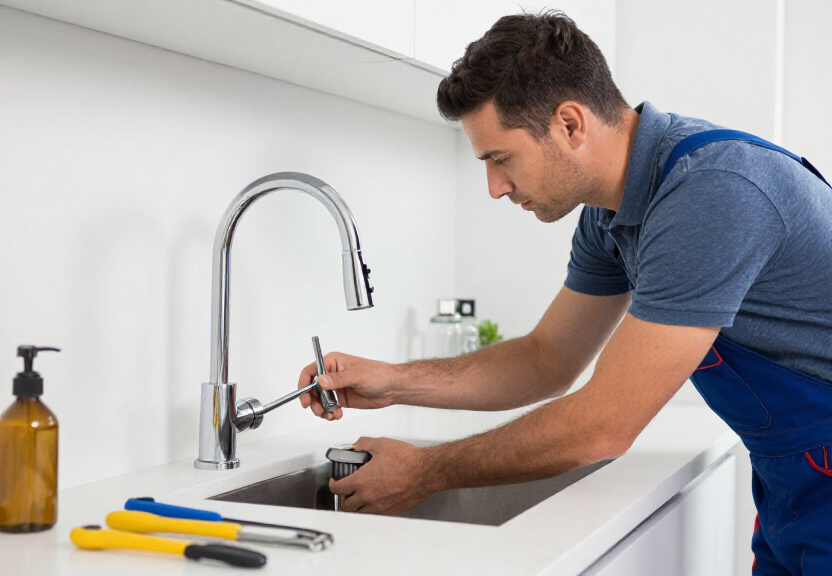
Faucet Installation
Expert kitchen and bathroom faucet installation and replacement. We install all brands and handle complex configurations in St. Michael homes.
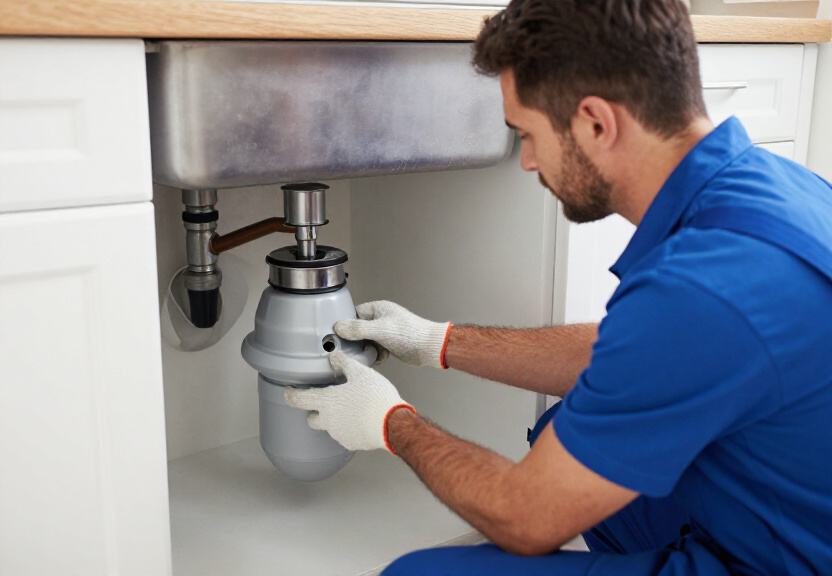
Garbage Disposal
Garbage disposal installation and repair services. We fix jams, leaks, and motor issues or install new units in St. Michael kitchens.
Complete Plumbing Services
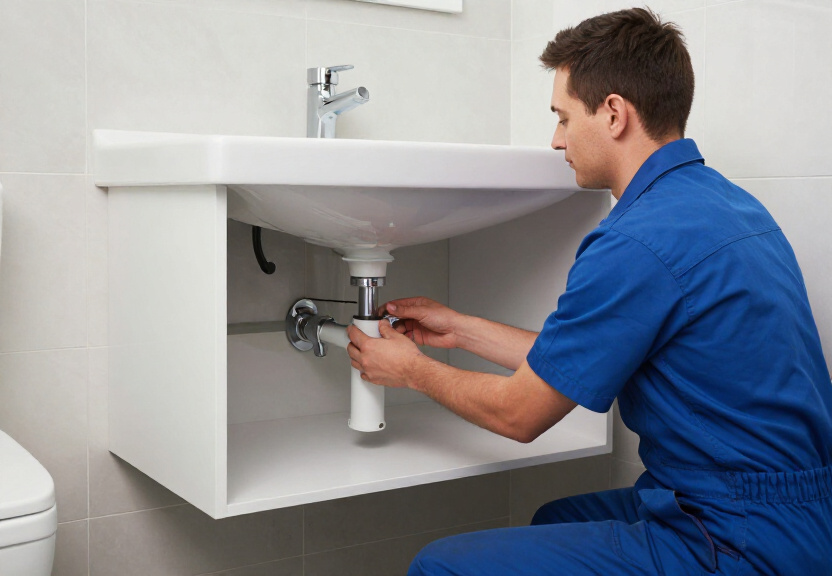
Bathroom Plumbing
Complete bathroom plumbing services including toilet repair, shower valve replacement, and sink installation for St. Michael homeowners.
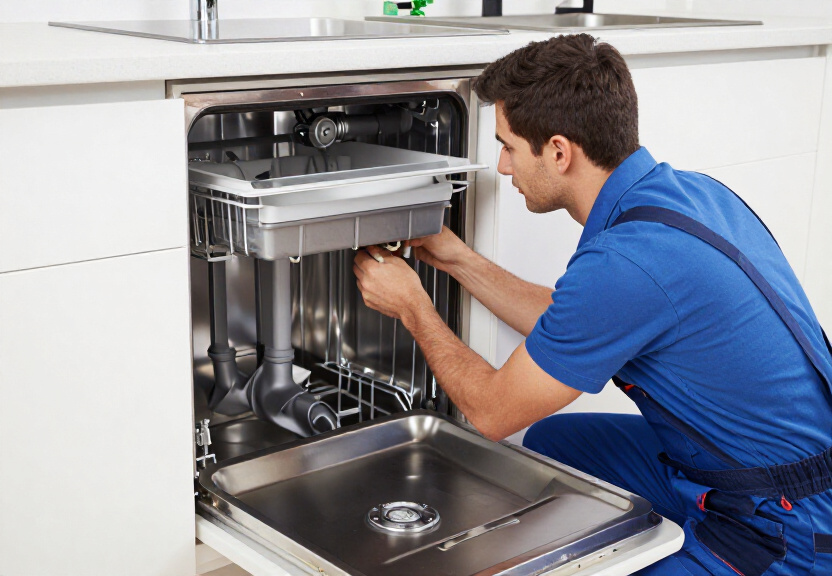
Kitchen Plumbing
Kitchen plumbing solutions for sinks, dishwashers, and water lines. Our St. Michael plumbers handle installations and repairs with precision.
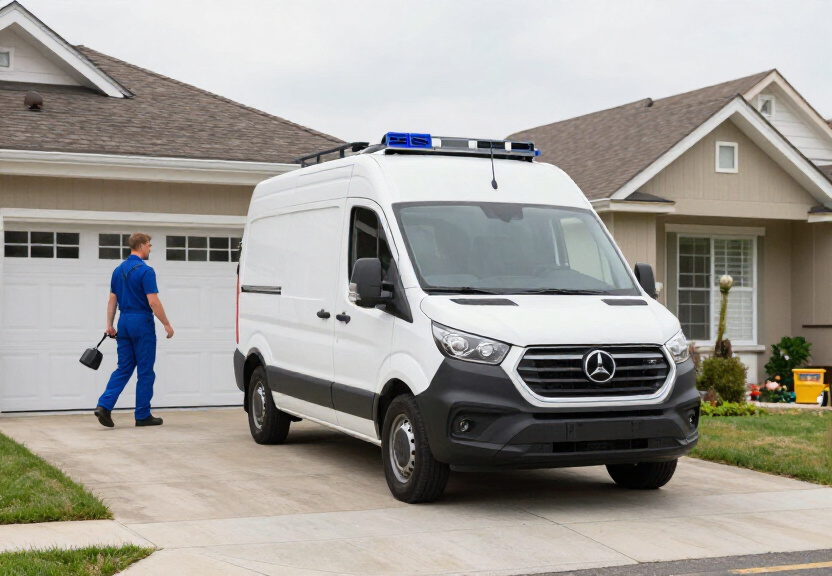
Emergency Plumbing
24/7 emergency plumbing services for burst pipes, water leaks, and plumbing failures. Fast response times throughout St. Michael and Wright County.
About Plumbing in St. Michael
St. Michael's water supply contains moderate to high hardness levels, typically measuring 15-20 grains per gallon, which accelerates pipe scaling and reduces fixture lifespan. This mineral buildup restricts water flow in older galvanized pipes common in pre-1990s homes and can cause premature failure of faucet cartridges and toilet fill valves. Homeowners should watch for white mineral deposits on fixtures, reduced water pressure, and unusual appliance noises as early warning signs.
Common plumbing fixtures in Wright County homes include Moen and Delta faucets, Insinkerator garbage disposals, and AO Smith water heaters. Signs indicating needed repairs include discolored water suggesting pipe corrosion, persistent dripping despite washer replacement, slow drainage from kitchen sinks, and gurgling sounds in bathroom drains. During St. Michael's frigid January and February months, uninsulated pipes in attics, garages, and exterior walls are particularly vulnerable to freezing and bursting.
Frequently Asked Questions
Keep garage doors closed, open cabinet doors under sinks, maintain thermostat at 55°F minimum, and insulate pipes in unheated areas. Let faucets drip during extreme cold snaps below -10°F.
Look for reduced water pressure, white mineral buildup on fixtures, discolored water, frequent faucet cartridge failures, and pinhole leaks in copper pipes. These indicate scaling and corrosion from Minnesota's hard water.
Replace faucets over 10 years old with persistent leaks, damaged finishes, or internal corrosion. Newer models with single issues can often be repaired with replacement cartridges or O-rings.
With proper maintenance and St. Michael's water conditions, garbage disposals typically last 8-12 years. Hard water can shorten lifespan due to mineral buildup on internal components.
Burst pipes, major water leaks, sewage backups, no water supply, and gas line issues require 24/7 emergency response. Flooding and water heater failures also need immediate attention to prevent property damage.
Minor leaks at exposed joints can be repaired without wall access. However, most hidden pipe repairs require opening walls or using minimally invasive techniques like trenchless repair for underground lines.