Warsaw IN Plumbing Services: Pipe Repair & Faucet Installation
Professional plumbing solutions for Warsaw homeowners. Expert pipe repair, faucet installation, and 24/7 emergency services.
Plumbing Services in Warsaw, Indiana
Warsaw, Indiana homeowners face unique plumbing challenges due to the region's cold winters and naturally hard water. The limestone bedrock throughout Kosciusko County creates mineral-rich water that accelerates pipe corrosion and fixture wear. Many homes, particularly in historic districts near Lake City and Winona Lake, still operate with aging galvanized steel or polybutylene piping systems that are prone to failure after decades of mineral buildup and freeze-thaw cycles.
Common plumbing issues in Warsaw include frozen pipes during January cold snaps, water heater sediment buildup from hard water, and persistent faucet leaks caused by worn cartridges. Local residents frequently experience low water pressure due to mineral deposits in supply lines, especially in neighborhoods served by well water systems. The combination of older infrastructure and challenging water chemistry makes professional plumbing maintenance essential for preventing costly water damage and ensuring reliable service year-round.
Professional Plumbing Services
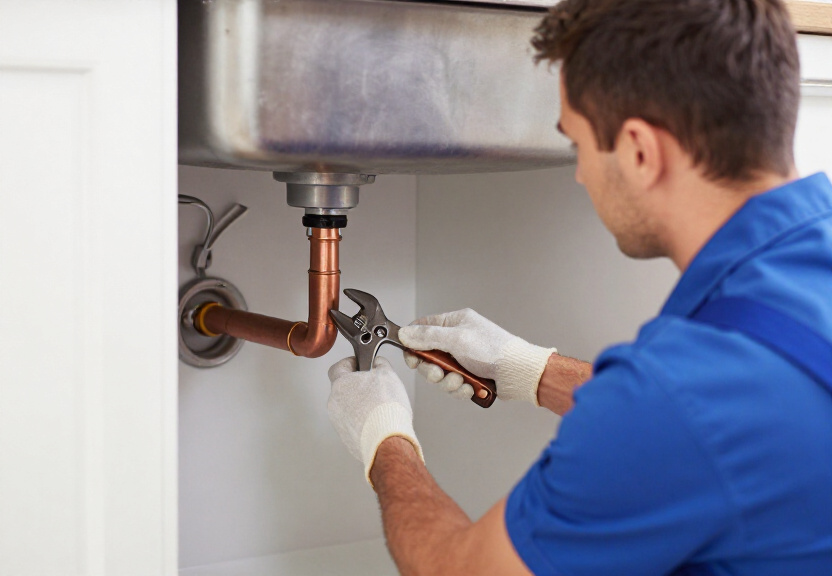
Pipe Repair
Expert pipe repair for leaks, bursts, and corrosion. We handle copper, PEX, and older galvanized pipes in Warsaw homes.
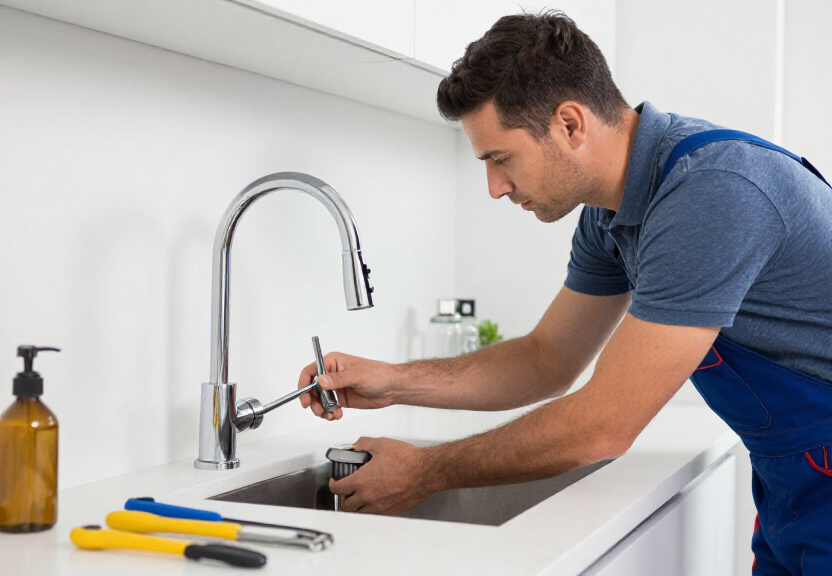
Faucet Installation
Professional faucet installation for kitchens and bathrooms. Upgrade fixtures to handle Warsaw's hard water conditions.
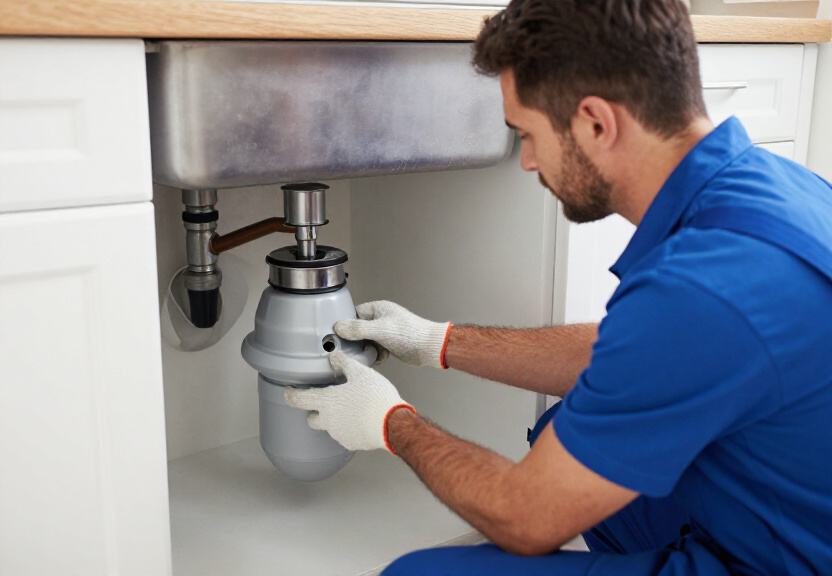
Garbage Disposal
Garbage disposal installation and repair services. Keep your kitchen running smoothly with proper waste management.
Complete Plumbing Services
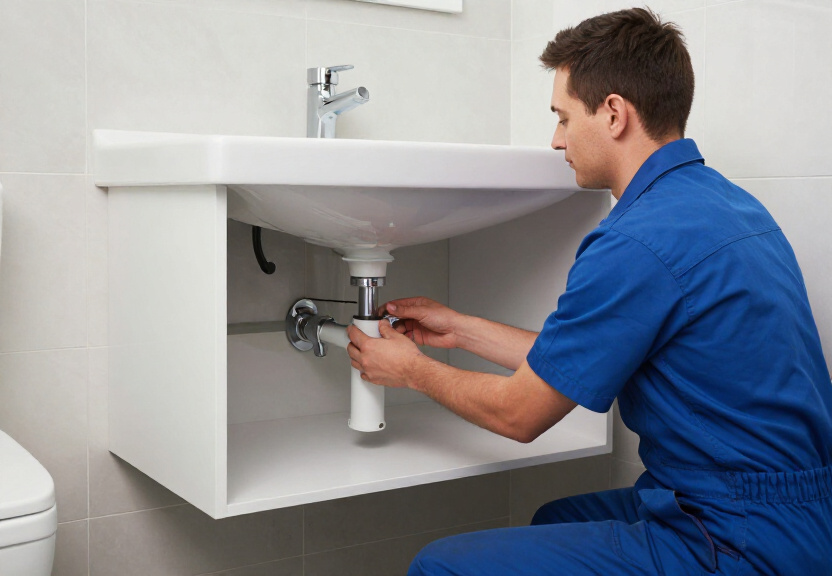
Bathroom Plumbing
Complete bathroom plumbing services including toilets, showers, and tub installations. Fix leaks and upgrade fixtures.
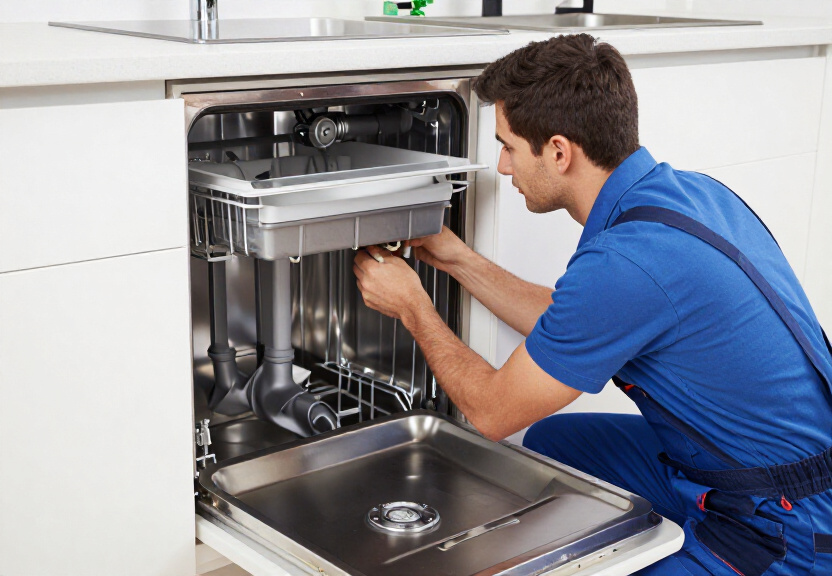
Kitchen Plumbing
Kitchen plumbing solutions for sinks, dishwashers, and water lines. Professional installation and repair services.
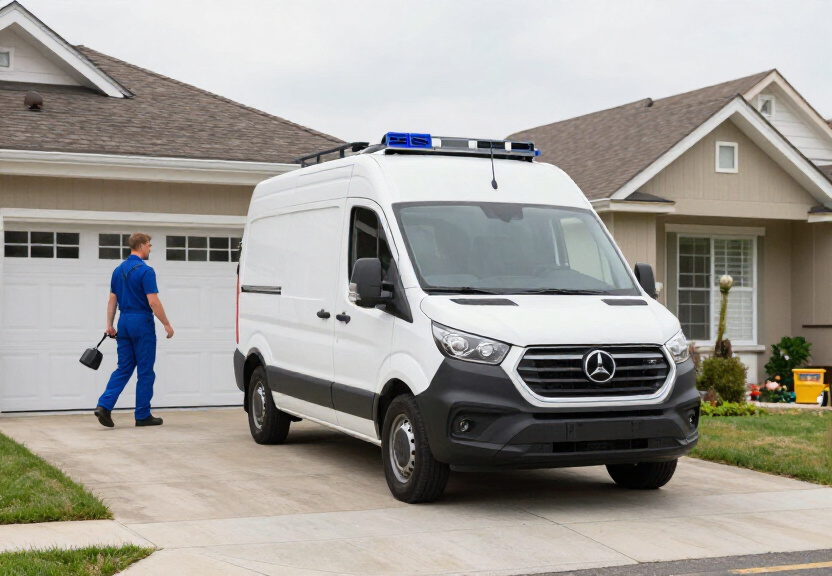
Emergency Plumbing
24/7 emergency plumbing services in Warsaw. Fast response for burst pipes, major leaks, and urgent repairs.
About Plumbing in Warsaw
Warsaw's hard water significantly impacts plumbing system longevity, with mineral deposits reducing pipe diameter by up to 30% over 20 years. Local homes typically feature brass fixtures and copper piping that require regular descaling to maintain flow rates. The municipal water supply from groundwater sources contains high calcium and magnesium content, creating scale buildup that damages water heaters, reduces appliance efficiency, and causes premature failure of rubber washers and O-rings in faucets.
Homeowners should watch for warning signs including decreased water pressure, discolored water indicating pipe corrosion, slow-draining fixtures, and unusual noises in pipes. White mineral deposits around faucets, toilets that won't stop running, and sudden spikes in water bills often signal developing problems. During Warsaw's freezing winters, pay special attention to exposed pipes in basements, crawl spaces, and exterior walls, as temperatures can drop below -10°F, causing rapid freezing and bursting in compromised lines.
Frequently Asked Questions
Warsaw's hard water contains high mineral content that creates scale buildup inside pipes, reducing water pressure and shortening appliance lifespan. Regular maintenance and water softener installation can prevent costly repairs.
Turn off the main water supply immediately and call emergency plumbing services. Never use open flames to thaw pipes. Professional plumbers can safely restore flow and inspect for cracks before turning water back on.
In Warsaw's hard water conditions, replace faucet cartridges every 2-3 years to prevent leaks and maintain proper function. Mineral buildup causes premature wear, so annual inspection is recommended.
This usually indicates a jammed impeller from food debris or foreign objects. Turn off power and avoid using the unit. Professional service can safely remove obstructions and reset the disposal motor.
Watch for persistent dripping, low shower pressure, running toilets, slow drains, and water stains on ceilings below bathrooms. These indicate leaks, clogs, or failing fixtures requiring immediate attention.
Schedule annual plumbing inspections, insulate exposed pipes before winter, install a water softener, monitor water pressure monthly, and address small leaks immediately to avoid major failures.